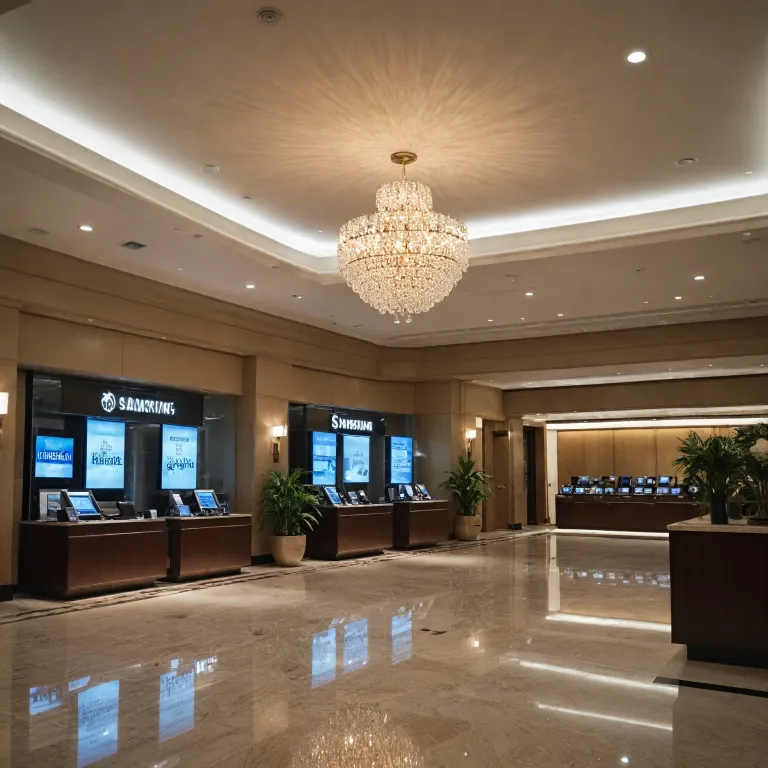
Transforming hospitality ecosystems with automated hotel processes
Automated hotel processes are reshaping the hospitality ecosystem, offering institutions publiques, fédérations professionnelles, and hotel networks a new paradigm for operational excellence. The integration of advanced software development, such as those provided by ibelsa gmbh and schulte schlagbaum, enables hotels to streamline workflows, reduce manual intervention, and enhance the guest journey. These innovations are not limited to large chains; clusters tourisme and independent properties alike are leveraging automation to remain competitive and agile in a rapidly evolving market.
With the adoption of property management systems (PMS) and digital check-in solutions, hotels can optimize resource allocation and improve service delivery. The role of technology partners, including ibelsa and LiteLog, is pivotal in supporting the transition to automated hotel processes. As more institutions recognize the value of automation, jobs open for engineer jobs and manager jobs focused on digital transformation, creating new opportunities for talent within the sector. The impact is measurable: hotels report a 20% average cost reduction and a 15% increase in guest satisfaction, underscoring the tangible benefits for all stakeholders.
Institutional strategies for implementing automated hotel processes
For investors institutionnels and federations, the strategic implementation of automated hotel processes requires a holistic approach that aligns with organizational objectives and market trends. Institutions must assess the readiness of their networks, considering both technological infrastructure and staff capabilities. Partnerships with trusted technology providers like ibelsa gmbh and schulte schlagbaum are essential for ensuring seamless integration and ongoing support.
Training programs for hotel personnel are critical, as they empower teams to utilize new systems effectively and deliver superior guest experiences. The adoption of AI-driven chatbots and digital concierge services, such as those developed by HiJiffy, further enhances operational efficiency and guest engagement. As institutions report post-implementation results, comment share and report post features within professional networks facilitate knowledge exchange and best practice dissemination. For more insights on optimizing digital transformation in hospitality, explore this comprehensive guide to hotel digitalization.
Enhancing the guest journey through automation and personalization
The guest journey is at the heart of automated hotel processes, with personalization and efficiency driving guest loyalty and satisfaction. By integrating open jobs platforms and leveraging data from followers report and gmbh followers, hotels can anticipate guest needs and tailor services accordingly. Automated check-in and check-out systems, powered by ibelsa and LiteLog, minimize wait times and provide guests with greater flexibility and control over their stay.
Revenue management tools, such as those offered by schulte schlagbaum and stefan wild, enable hotels to optimize pricing strategies and maximize profitability. The use of AI and machine learning in software development allows for real-time analysis of guest preferences, leading to more relevant offers and communications. Institutions publiques and clusters tourisme benefit from these advancements by fostering stronger relationships with guests and partners. For a deeper exploration of guest-centric automation, visit our dedicated automation resource.
Workforce transformation: New jobs and skills in the era of automation
The shift towards automated hotel processes is redefining jobs and career paths within the hospitality industry. As manual tasks are reduced, hotel personnel can focus on high-value interactions and personalized service delivery. Open jobs and engineer jobs are emerging in areas such as software development, system integration, and digital guest services, attracting a new generation of talent to the sector.
Manager jobs now require a blend of technical acumen and leadership skills to oversee the implementation and optimization of automated systems. Training and upskilling initiatives, supported by ibelsa gmbh and partner organizations, are essential for ensuring workforce readiness. The ability to comment share and report post within professional networks enhances collaboration and continuous learning. As automation becomes the norm, the industry sees mehr als just efficiency gains; it experiences a cultural shift towards innovation and excellence.
Institutional collaboration and network effects in automated hospitality
Collaboration among institutions publiques, federations, and hotel networks is crucial for maximizing the benefits of automated hotel processes. By sharing best practices and aligning on standards, stakeholders can accelerate the adoption of automation across the ecosystem. Clusters tourisme and investors institutionnels play a vital role in fostering innovation and supporting pilot projects that demonstrate the value of automation.
Platforms that enable followers report and gmbh followers to exchange insights contribute to a culture of transparency and continuous improvement. The integration of comment share and report post functionalities within industry forums enhances collective learning and drives sector-wide progress. As more organizations implement automated hotel processes, the network effect amplifies, resulting in higher service quality and operational resilience across the industry.
Data security, compliance, and trust in automated hotel processes
Ensuring data security and regulatory compliance is paramount as hotels adopt automated processes. Modern systems, such as those provided by ibelsa gmbh and schulte schlagbaum, prioritize encryption and robust access controls to protect guest information. "Automatisierte Check-in-Systeme ermöglichen einen schnellen und kontaktlosen Zugang zum Hotelzimmer, reduzieren Wartezeiten und bieten Flexibilität bei der Anreise." This quote highlights the dual benefit of efficiency and security for both guests and operators.
Institutions must establish clear protocols for data management and regularly audit their systems to maintain trust with guests and partners. As automation becomes more prevalent, the ability to report post and comment share on compliance topics within professional networks supports industry-wide adherence to best practices. The commitment to data protection reinforces the reputation of hotel networks and clusters tourisme, ensuring long-term sustainability and guest confidence.
Key statistics on automated hotel processes
- 65% of hotels utilize automated check-in systems.
- Hotels achieve an average cost saving of 20% through automation.
- Guest satisfaction increases by 15% with digital services.
Frequently asked questions about automated hotel processes
What advantages do automated check-in systems offer guests?
Automated check-in systems enable fast, contactless room access, reduce waiting times, and provide flexibility for arrivals.
How does automation impact hotel staff roles?
Automation reduces repetitive tasks, allowing staff to focus on personalized guest care and service quality.
Are automated hotel processes secure regarding data privacy?
Yes, modern systems emphasize data protection and use encryption technologies to ensure guest data security.
What are the main objectives of implementing automated hotel processes?
The primary goals are to increase operational efficiency, enhance guest satisfaction, and reduce operational costs.