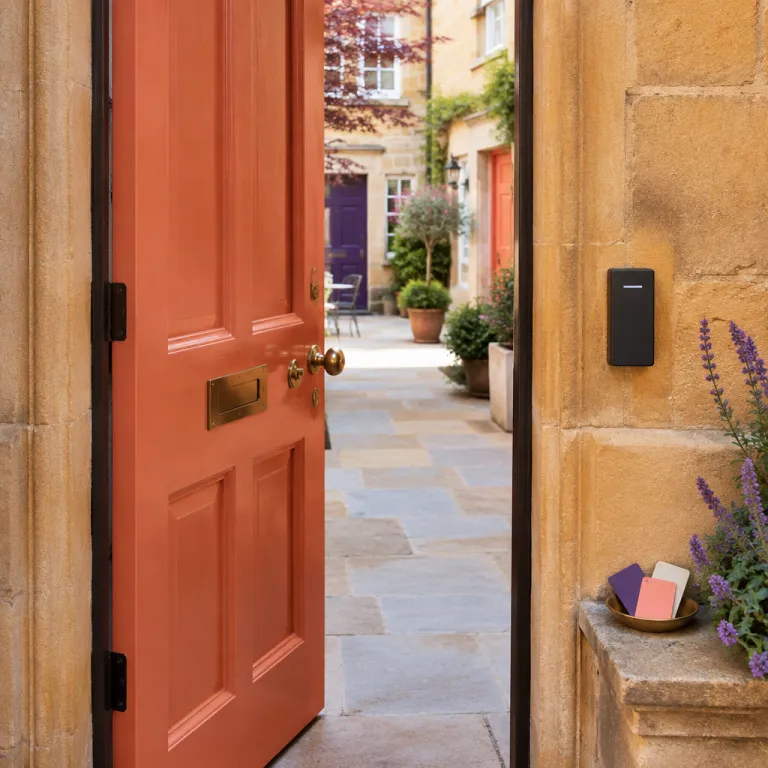
Section 1 – Understanding 10 Castle Street hotel chain affiliation in the ecosystem
10 Castle Street hotel chain affiliation is, in practice, a story of deliberate independence. The property is a Grade II listed Palladian mansion located in Cranborne, Dorset, operating as a boutique luxury hotel and private members’ club rather than joining global hotels groups. For institutions publiques and investors, this single hotel in a historic castle-style setting illustrates how autonomy can still align with structured networks and consortia.
The owner-operator, 10 Castle Street Ltd, led by director Gretchen Boon, has chosen to keep the hotel excellent in positioning while remaining outside any formal chain affiliation. According to the UK Companies House register, 10 Castle Street Ltd lists Gretchen Boon as a director, confirming the owner-operator structure. This strategic choice allows each guest room and suite to retain a distinct design, while the service model focuses on high touch hospitality instead of standardized brand protocols. For public bodies evaluating tourism clusters in a rural city context, this type of independent hotel located in a heritage building demonstrates how place based identity can become a competitive asset.
From a network perspective, the absence of chain fees and central brand levies changes the economic equation for both low season and high season. The property operates with only 11 rooms, a figure confirmed by the hotel’s official booking information, so room size, in-room service expectations, and the mix between members and transient stay travel guests must be calibrated with precision. For regional tourism boards, the 10 Castle Street hotel chain affiliation status shows how a small star hotel asset can still anchor meetings events, cultural programming, and a wider ecosystem of nearby suppliers.
Section 2 – Independent hotels, community ecosystems and institutional partnerships
In Dorset’s countryside, the distance airport factor is very different from a dense city centre location. 10 Castle Street is not within a short walk of a major station or terminal, so airport distance and last mile travel must be integrated into any cluster level strategy. Institutions publiques and clusters tourisme therefore need to frame the castle and its hotel as part of a broader rural mobility and stay travel narrative, rather than a simple city break product.
The property’s independent status echoes lessons drawn from community focused assets such as the Whiteinch Centre, which has been analysed as a model for community ecosystems for hotel networks. In both cases, the absence of a classic hotel chain affiliation does not prevent strong ties with local associations, cultural venues, and regional development agencies. For fédérations professionnelles, this shows that hotel networks can be built as alliances of independent hotels rather than only through corporate ownership.
When regional authorities plan meetings events or incentive travel, an independent castle hotel can host a board meeting, a strategy retreat, or a small conference with a strong sense of place. The central question is not only how many rooms are available, but which type of meeting formats will benefit from the property’s architecture and gardens. Public investors who learn from the 10 Castle Street hotel chain affiliation model can support similar projects where a hotel located in a heritage building becomes a cultural anchor rather than a purely transactional asset.
Section 3 – Financial structures, fees and payment infrastructure in non chain hotels
For institutional investors, the financial implications of 10 Castle Street hotel chain affiliation are significant. Without brand imposed fees, marketing levies, or mandatory technology contracts, the hotel can reallocate capital towards property conservation, service quality, and targeted digital distribution. At the same time, the absence of a chain safety net requires disciplined cash flow management across both low season and high season, with contingency reserves for major restoration works.
Operating as a standalone hotel excellent asset means that local taxes, business rates, and conservation costs must be absorbed without group level cross subsidy. This is where payment infrastructure and distribution strategy become critical, as highlighted in analyses of payment infrastructure in hotel groups. Even a single castle hotel must handle multiple payment types, cross border travel bookings, and dynamic pricing for rooms and suites, while keeping transaction costs under control and complying with regulations such as PSD2 for European card payments.
For public institutions co financing tourism projects, understanding how an independent hotel will manage fees, tax obligations, and payment flows is essential to risk assessment. Investors should check whether the property can offer discounts or free offers during shoulder periods without eroding long term asset value, and whether revenue management tools are in place to protect rate integrity. The 10 Castle Street hotel chain affiliation status, or rather its absence, underlines that robust financial governance and cutting edge payment systems are as important as architecture when evaluating a rural luxury hotel.
Section 4 – Digital connectivity, virtual presence and distribution for independent castles
In the current hospitality ecosystem, even a countryside castle hotel must behave like a digitally fluent city property. Guests expect to learn about room size, room type, and room service options online, compare reviews, and check distance airport information before they book. For 10 Castle Street, the independent model requires a strong direct website, accurate virtual tour content, and seamless booking flows to compete with chain hotels in the city centre.
Hotel networks and consortia can support such independents by providing shared technology layers, especially for connectivity with global distribution systems and online travel agencies. The integration challenges are explored in depth in resources on hotel API connectivity and modern distribution, which are directly relevant to any castle hotel operating outside a chain. For clusters tourisme, facilitating access to these tools can raise the competitiveness of multiple hotels at once, without forcing them into a single brand.
A high quality virtual tour allows potential guests to walk through rooms and suites, gardens, and meeting spaces before they travel, which is particularly valuable when the property is not nearby a major city. When institutions publiques support digital training and co funded content creation, independent hotels can present their service standards and hotel excellent features with the same clarity as large brands. The 10 Castle Street hotel chain affiliation example shows that digital visibility, not just physical location, will determine how often international guests choose a rural stay over a central city stay.
Section 5 – Sustainability, renewable energy and heritage preservation in hotel networks
Heritage properties like 10 Castle Street sit at the intersection of conservation and modern sustainability expectations. While the dataset does not specify a renewable energy programme for this particular hotel, institutional stakeholders increasingly expect castle hotels and star hotel assets to integrate renewable energy solutions where feasible. For clusters tourisme, supporting feasibility studies and grants can help independent hotels align with national climate objectives without compromising historic fabric; for example, the UK Heritage Lottery Fund and Historic England have both published guidance on balancing energy upgrades with listed building protections.
In a rural setting with some airport distance, guests often combine car travel with longer stay travel patterns, which can increase the overall carbon footprint of a visit. Public institutions can encourage hotels to provide information about low carbon transport options from the nearest airport, rail hub, or city centre, and to highlight any renewable energy initiatives on their websites and virtual tour materials. When several nearby hotels coordinate these messages, the region can position itself as a cutting edge sustainable destination rather than a collection of isolated properties.
Preserving a castle while operating a luxury hotel requires careful planning of room size, insulation, and heating systems, especially in suites and event spaces that host meetings events or private dining. Investors should check whether refurbishment plans respect heritage guidelines while improving energy performance, and whether any offer discounts or free offers are linked to low season periods that reduce pressure on local resources. The 10 Castle Street hotel chain affiliation model reminds institutions that sustainability frameworks must be adaptable enough to include both chain hotels and independent heritage hotels.
Section 6 – Governance, data and strategic roles for institutions and federations
For fédérations professionnelles and hotel networks, 10 Castle Street illustrates how independent hotels can still participate in structured alliances. The property’s status as a privately owned hotel located in Dorset, operating without chain affiliation, makes it a useful case study for governance models that respect autonomy while sharing data and best practices. Public institutions can use such examples to refine support schemes that do not privilege only large hotels in the city centre.
When building regional hotel consortia, it is essential to map the full spectrum of assets, from small castle hotels with 11 rooms to larger city hotels with extensive meetings events capacity. Data on occupancy, average room size, airport distance, and guest reviews should be aggregated in a way that allows both independent and chain properties to benchmark performance. Industry data from STR and JLL, for instance, shows that independent luxury and lifestyle hotels have grown their share of the global development pipeline over the past decade, reflecting sustained demand for distinctive properties.
Institutional investors will want to check governance structures, service standards, and long term maintenance plans before committing capital to similar projects. They should also learn how local vibrant nightlife, cultural programming, and nearby attractions can extend guest stay and increase spend per room, even when the property is not in a central city location. The 10 Castle Street hotel chain affiliation case confirms that well governed independent hotels can play a strategic role in regional tourism ecosystems, provided that institutions, clusters, and networks recognise their specific needs.
Key figures for hotel networks, castles and independent affiliations
- 10 Castle Street operates with 11 rooms, which positions it firmly in the boutique hotel segment and requires high average daily rates to sustain heritage maintenance costs (source: official property booking data and Companies House filings for 10 Castle Street Ltd).
- The property functions as both a luxury hotel and a private members’ club, a hybrid model that can stabilise revenue by combining transient stay travel with recurring membership income (source: company information and membership materials published by 10 Castle Street Ltd).
- Independent boutique hotels have increased their share of the global luxury pipeline over the past decade, reflecting traveller preferences for unique stays over standardized chain hotels (source: STR “Global Hotel Study” series and JLL “Global Hotel Investment Outlook” reports).
- Rural heritage hotels often face higher per room restoration costs than new build city hotels, which makes access to public heritage grants and favourable tax regimes a decisive factor in long term viability (source: European heritage tourism studies from bodies such as Historic England and Europa Nostra).
FAQ – 10 Castle Street and hotel chain ecosystems
Is 10 Castle Street part of a hotel chain ?
10 Castle Street is not part of any hotel chain, and it operates as an independent boutique hotel and private members’ club under the ownership of 10 Castle Street Ltd. This independence allows the castle property to maintain a distinctive design and service philosophy that would be harder to preserve under a standardized brand. For hotel networks and institutions, it serves as a reference case for non chain participation in regional ecosystems.
Who owns and operates 10 Castle Street hotel ?
The property is owned and operated by 10 Castle Street Ltd, a private company directed by Gretchen Boon, as recorded in the UK Companies House database. This owner operator structure concentrates decision making on site, which can accelerate adaptations in service, meetings events programming, and pricing. For institutional investors, such a model requires careful due diligence on governance and long term capital planning.
How many rooms does 10 Castle Street have for guests ?
10 Castle Street offers 11 rooms, placing it in the small boutique hotel category. The limited room count means that each room size, layout, and room service configuration has a strong impact on overall revenue and guest satisfaction. This scale is well suited to exclusive retreats, board meeting formats, and high value leisure stays.
What does the independent status mean for guests and partners ?
For guests, the independent status of 10 Castle Street means a more personalised stay, with design and service choices tailored to the historic castle setting rather than a chain standard. For partners such as clusters tourisme or fédérations professionnelles, it means that the hotel may need more support with distribution, technology, and training, but can offer unique experiences that strengthen the region’s brand. The 10 Castle Street hotel chain affiliation situation therefore has implications for both marketing and policy design.
How should institutions work with independent castle hotels in rural areas ?
Institutions publiques and tourism clusters should integrate independent castle hotels into broader destination strategies that address access, airport distance, and nearby attractions. Support can include co funded digital tools such as virtual tour production, training on reviews management, and advisory services on renewable energy retrofits. By doing so, they help ensure that properties like 10 Castle Street contribute fully to regional development while retaining their individuality.