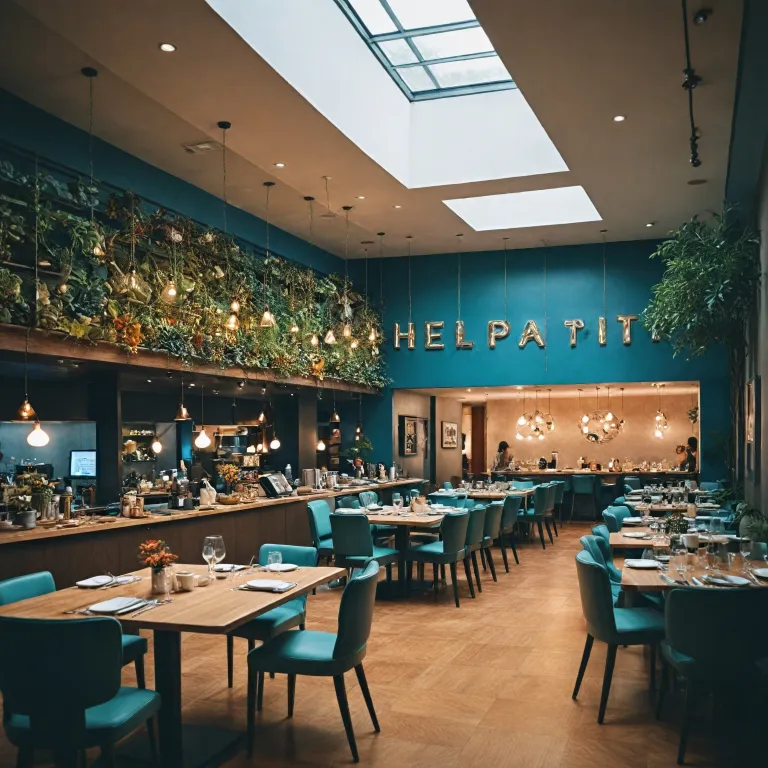
Transforming guest experiences through integrated hospitality ecosystems
The hospitality industry is witnessing a profound transformation as hotels, institutions, and networks collaborate to deliver seamless guest experiences. Modern hospitality ecosystem examples illustrate how hotels leverage technology and data to personalize every aspect of the guest journey. For instance, Marriott International employs AI-driven personalization, enabling guests to enjoy tailored experiences and efficient room service, while also supporting sustainable practices through advanced energy management systems. These innovations are not isolated; they are part of a broader ecosystem where digital platforms, hotel technology, and sustainability initiatives converge to create high quality, guest-centric environments. The integration of real time data analytics and IoT devices enhances operational efficiency, ensuring that guests receive seamless service from check-in to check-out. By adopting sustainable practices and focusing on energy management, hotels are reducing carbon emissions and supporting long term business growth. This holistic approach not only elevates the guest experience but also aligns with the evolving expectations of travelers and institutional investors.
Institutional collaboration and the rise of smart tourism networks
Institutions publiques, professional federations, and hotel clusters are at the forefront of developing robust hospitality ecosystem examples that foster innovation and sustainability. The Lisbon Tourism Board’s Smart Destination initiative exemplifies how destination management organizations integrate data from hotels, transportation, and attractions to enhance the overall travel experience. By collaborating with technology partners and sustainability organizations, these networks promote the adoption of best practices in energy management and digital transformation. The result is a dynamic ecosystem where hotels and guests benefit from interconnected services, such as loyalty programs and digital platforms that streamline booking and management processes. These institutional efforts are crucial for maintaining high quality standards and ensuring that privacy policy, terms conditions, and conditions privacy are respected across the industry. As more hotels join these networks, the hospitality industry becomes better equipped to respond to the demands of modern travelers and to support sustainable tourism development. For further insights on institutional strategies, visit hospitality industry networks.
Technology ecosystems driving sustainable practices in hotels
The integration of advanced hotel technology is reshaping the way hotels manage resources and deliver guest experiences. Smart room features, such as IoT-enabled controls for lighting and temperature, allow guests to customize their environment while supporting energy efficiency. The Accor Group’s Planet 21 program demonstrates how AI analytics and energy monitoring can drive sustainable practices and reduce operational costs. These hospitality ecosystem examples highlight the importance of real time data in optimizing energy management and minimizing carbon emissions. Hotels are increasingly adopting digital platforms that facilitate seamless communication between staff and guests, improving room service and enhancing the overall guest experience. By prioritizing sustainable practices and leveraging technology ecosystems, the hospitality industry is setting new benchmarks for long term environmental stewardship and business resilience. Explore more about sustainable hotel technology at sustainable hotel technology solutions.
Revenue management and diversified revenue streams in the hospitality industry
Effective revenue management is a cornerstone of successful hospitality ecosystem examples, enabling hotels to maximize profitability while delivering exceptional guest experiences. Advanced data analytics and technology ecosystems empower hotels to monitor demand, adjust pricing strategies, and optimize occupancy rates in real time. This approach not only enhances revenue streams but also supports sustainable business practices by aligning resource allocation with guest needs. Loyalty programs and digital platforms play a pivotal role in fostering guest loyalty and driving repeat business, while also ensuring that privacy policy and terms conditions are upheld. By diversifying revenue streams through innovative services and experiences, hotels can adapt to changing market conditions and maintain long term competitiveness. The integration of energy management systems further contributes to cost savings and environmental sustainability, reinforcing the industry’s commitment to high quality standards.
Enhancing guest privacy and seamless experiences through digital transformation
As digital transformation accelerates, hotels are prioritizing guest privacy and seamless experiences across all touchpoints. The deployment of AI-driven chatbots, virtual assistants, and IoT devices enables hotels to deliver personalized services while safeguarding sensitive guest data. Hospitality ecosystem examples such as Hilton’s Connected Room technology illustrate how guests can control room features via mobile devices, ensuring a guests seamless and intuitive experience. Robust privacy policy frameworks and clear terms conditions are essential for building trust and maintaining compliance with regulatory requirements. Hotels are also investing in high quality digital platforms that facilitate secure transactions and transparent communication, further enhancing the guest experience. By adopting best practices in data management and privacy, the hospitality industry demonstrates its commitment to protecting guests and fostering long term relationships. These efforts are integral to the ongoing evolution of the hospitality ecosystem, where technology and human-centric service converge to create memorable experiences.
Institutional investment and the future of sustainable hospitality ecosystems
Institutional investors play a vital role in shaping the future of hospitality ecosystem examples by supporting innovative projects and sustainable practices. Their involvement ensures that hotels and networks have the resources needed to implement advanced technology, energy management systems, and sustainable business models. The hospitality industry’s focus on reducing carbon emissions, optimizing energy use, and enhancing guest experiences aligns with the priorities of forward-thinking investors. By fostering collaboration between hotels, technology providers, and sustainability organizations, institutional investment drives the adoption of high quality standards and long term value creation. The ongoing evolution of the hospitality ecosystem is marked by a commitment to continuous improvement, transparency in privacy policy and conditions privacy, and the pursuit of excellence in guest experiences. As the industry navigates new challenges and opportunities, the role of institutional investors will remain central to sustaining growth and innovation.
Key statistics shaping hospitality ecosystem examples
- 30% of travelers prefer hotels with automated services (Oracle Hospitality Survey).
- Pullman Dubai achieved a 50% reduction in food waste after implementing AI technology (EHL Hospitality Insights).
Frequently asked questions about hospitality ecosystem examples
What is a smart tourism ecosystem?
A smart tourism ecosystem integrates advanced technologies like AI, IoT, and data analytics to enhance guest experiences, improve operational efficiency, and promote sustainability in the hospitality industry.
How do smart hotel rooms enhance guest experiences?
Smart hotel rooms use IoT devices to allow guests to control lighting, temperature, and entertainment systems via mobile apps or voice commands, providing a personalized and convenient stay.
What are some examples of sustainable practices in smart hotels?
Examples include energy management systems that optimize energy use, waste reduction initiatives through intelligent tracking, and the use of eco-friendly materials in construction and operations.