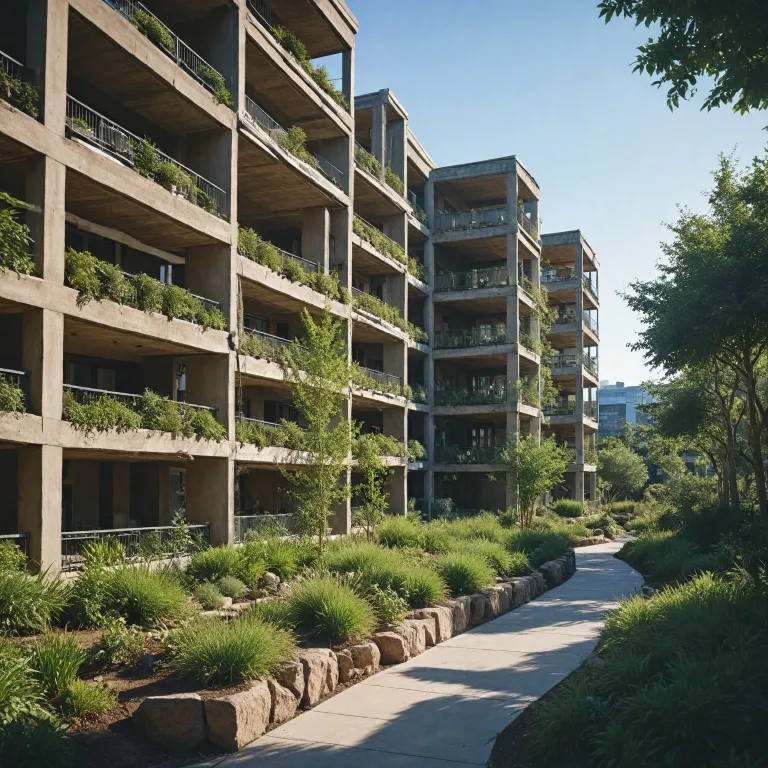
Understanding the global hotel construction pipeline and its institutional drivers
The hotel construction pipeline has reached unprecedented levels, with 15,871 projects comprising 2,436,225 rooms worldwide. This surge is driven by a dynamic ecosystem where institutions publiques, fédérations professionnelles, and hotelier networks play pivotal roles in shaping industry standards and project outcomes. Strategic planning and early engagement with these institutions are essential for aligning construction projects with regulatory frameworks and local market needs.
Industry experts emphasize the importance of robust data analytics in monitoring the construction pipeline, allowing stakeholders to anticipate trends and optimize investment decisions. The involvement of clusters tourisme and institutional investors ensures that hotel construction projects are adequately funded and managed, balancing cost, quality, and scale. As the industry evolves, collaboration between public institutions and private networks becomes increasingly vital for sustainable hotel construction and long-term sector resilience.
Hotel chains such as Marriott International, Hilton Worldwide, Intercontinental Hotels Group, and Hyatt Hotels Corporation are leading the way in expanding their construction pipelines. Their partnerships with local authorities and professional federations streamline the planning stage, ensuring that new hotels meet both global standards and local expectations. The integration of advanced materials and innovative design concepts further enhances the quality and sustainability of hotel construction projects worldwide.
Strategic planning and early-stage project management in hotel construction
Effective planning is the cornerstone of successful hotel construction, particularly in the early stages of project development. Institutions publiques and professional federations provide critical guidance on zoning, environmental impact, and compliance, ensuring that each construction project aligns with local regulations and community interests. Early planning also allows for a more accurate estimation of construction costs, helping investors and developers manage budgets and mitigate financial risks.
The construction pipeline is increasingly characterized by a focus on upper midscale and luxury hotels, reflecting evolving consumer preferences and market segmentation. Industry experts note that "upper midscale and upscale hotel segments dominate the global hotel construction pipeline, accounting for 52% of the projects as of Q2 2025." This trend underscores the importance of strategic planning in selecting project locations, room configurations, and amenities that cater to diverse guest profiles.
For stakeholders seeking to optimize their investments, leveraging the expertise of clusters tourisme and institutional investors is crucial. These actors bring valuable insights into market demand, construction project feasibility, and long-term operational sustainability. For further insights on optimizing project management in hospitality, refer to best practices in hotel project management.
Cost management and quality assurance in hotel construction projects
Managing construction costs while maintaining high quality is a persistent challenge in hotel construction. The total pipeline of projects and rooms requires careful budgeting, with cost hotel and cost build considerations at the forefront of every decision. Institutions and networks play a key role in establishing benchmarks for construction costs, ensuring transparency and accountability throughout the building process.
Quality assurance is achieved through rigorous selection of materials, adherence to design standards, and ongoing oversight by industry experts. The involvement of professional federations and local authorities in the planning stage helps to enforce quality controls and mitigate risks associated with substandard construction practices. As the industry shifts toward sustainable building, the use of eco-friendly materials and energy-efficient systems is becoming standard in new hotel projects.
For a deeper exploration of sustainable construction practices and their impact on hotel openings, visit sustainable hotel development strategies. By integrating quality assurance measures and cost management strategies, stakeholders can ensure that hotel construction projects deliver lasting value to investors, operators, and guests alike.
Design innovation and the evolution of hotel spaces
Design innovation is reshaping the landscape of hotel construction, with a growing emphasis on flexible, open spaces and guest-centric amenities. The industry is witnessing a shift toward modular building techniques and adaptive reuse of existing structures, reducing construction costs and environmental impact. These trends are particularly evident in the upper midscale and luxury hotels segments, where design excellence is a key differentiator.
Institutions and networks are fostering collaboration between architects, engineers, and hotel operators to create spaces that enhance guest experiences and operational efficiency. The integration of smart technologies, sustainable materials, and biophilic design elements is transforming hotels rooms into multifunctional environments that cater to diverse traveler needs. Industry experts highlight the importance of aligning design innovation with local cultural and environmental contexts to ensure the long-term success of hotel construction projects. By embracing new approaches to design and construction, stakeholders can create hotels that are both aesthetically compelling and operationally resilient.
Institutional collaboration and network synergies in hotel construction
The success of hotel construction projects increasingly depends on effective collaboration between institutions publiques, professional federations, hotelier networks, and clusters tourisme. These actors bring complementary expertise and resources to the table, facilitating the planning, funding, and execution of complex construction projects. Institutional investors play a critical role in financing large-scale developments, while local authorities ensure that projects comply with regulatory requirements and community expectations.
Network synergies are particularly valuable in the context of global hotel construction, where cross-border partnerships and knowledge sharing drive innovation and efficiency. The construction pipeline benefits from the collective experience of industry experts, who provide guidance on best practices, risk management, and market trends. As the industry continues to grow, fostering strong relationships between public and private stakeholders will be essential for maintaining the quality and sustainability of hotel construction projects.
Collaborative initiatives, such as joint ventures and public-private partnerships, are becoming more common in the hotel construction industry. These arrangements enable stakeholders to pool resources, share risks, and accelerate project timelines, ultimately contributing to the successful delivery of hotels rooms and amenities that meet the needs of modern travelers.
Emerging trends and future outlook for hotel construction
The hotel construction industry is evolving rapidly, with several key trends shaping its future trajectory. The rise of sustainable and eco-friendly building practices is driving innovation in materials, design, and operational efficiency. Industry experts note that "emerging trends include an increase in brand conversions and renovations, a focus on sustainable and eco-friendly designs, and growth in upper midscale and upscale hotel segments."
The construction pipeline is also expanding into new markets, with a growing emphasis on adaptive reuse and mixed-use developments. These projects offer opportunities to optimize construction costs and deliver unique guest experiences, while supporting local economic development. The increasing complexity of hotel construction projects underscores the importance of robust planning, quality assurance, and institutional collaboration.
As the industry looks to the future, stakeholders must remain agile and responsive to changing market dynamics, regulatory environments, and guest preferences. By leveraging the collective expertise of institutions, networks, and industry experts, the hotel construction sector is well positioned to achieve sustainable growth and deliver value to all stakeholders.
Key statistics on global hotel construction and pipeline growth
- Global hotel construction projects in Q2: 15,871 projects
- Total rooms in global hotel construction pipeline Q2: 2,436,225 rooms
- U.S. hotel construction projects in Q1: 6,376 projects
- Rooms in U.S. hotel construction pipeline Q1: 749,561 rooms
Frequently asked questions about hotel construction and industry trends
What is the current state of the global hotel construction pipeline?
As of Q2, the global hotel construction pipeline reached a record 15,871 projects with 2,436,225 rooms, indicating robust growth in the hospitality sector.
Which countries are leading in hotel construction projects?
The United States and China are leading in hotel construction projects, with the U.S. reaching a new all-time high project count of 6,378 projects and China following with 3,779 projects as of Q4.
What are the dominant hotel segments in the current construction pipeline?
Upper midscale and upscale hotel segments dominate the global hotel construction pipeline, accounting for 52% of the projects as of Q2.
How has the U.S. hotel construction pipeline changed recently?
In Q1, the U.S. hotel construction pipeline grew by 5% year-over-year, totaling 6,376 projects and 749,561 rooms.
What trends are emerging in hotel construction?
Emerging trends include an increase in brand conversions and renovations, a focus on sustainable and eco-friendly designs, and growth in upper midscale and upscale hotel segments.