Strategic stakes of hotel TV casting solutions for institutions and networks
Hotel TV casting solutions now sit at the crossroads of hospitality strategy, digital policy, and infrastructure planning. For public institutions and professional federations, the ability for guests to cast personal content to room televisions has become a benchmark of modern hospitality services, not a niche feature. This shift forces hotel groups, clusters tourisme, and institutional investors to reassess how room entertainment aligns with broader tourism development objectives.
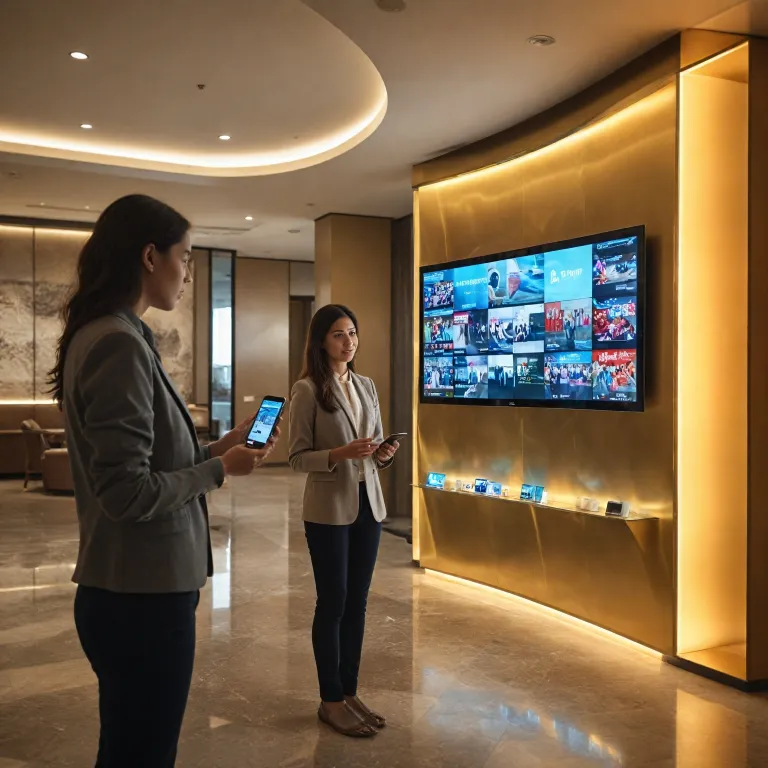
Hotel TV casting allows guests to stream content from their personal devices to the in-room television, providing a personalized entertainment experience. Within this framework, casting solutions transform the traditional room television into a flexible, cloud based media hub that supports secure streaming services and tailored entertainment. As guests cast their own content to smart TVs or standard hotel TVs equipped with casting technology, they implicitly compare the hotel experience to their connected homes.
For hotel brands and networks, this comparison directly affects guest satisfaction and long term loyalty, especially in higher categories and urban hubs. Institutions publiques and investors therefore need to understand how each casting solution, from integrated google chromecast in LG smart hotel TVs to hospitality casting platforms like Nomadix Casting or interTouch Cast, influences competitiveness. The ecosystem impact extends beyond individual hotels, shaping destination image, perceived digital maturity, and the attractiveness of local hospitality clusters.
From an ecosystem governance perspective, hotel casting and broader casting solutions raise questions about interoperability, data protection, and shared procurement models. Hospitality associations can help define standards so that guests stream content safely, while hotel groups negotiate scalable services with technology providers. In this context, casting technology becomes both an operational tool and a policy lever for modern, resilient tourism infrastructure.
From fragmented devices to integrated casting technology in hotel networks
Historically, many hotels relied on external devices connected to room televisions to enable basic casting, creating operational complexity and security concerns. The integration of casting technology directly into hotel TVs, as seen with LG Electronics and its collaboration with Hyatt Hotels Corporation, signals a structural change for hospitality networks. This evolution matters for federations professionnelles and clusters tourisme that seek harmonized digital standards across diverse properties.
Embedding google chromecast capabilities into smart TVs reduces the need for separate hardware, simplifies maintenance, and supports consistent room entertainment across hotel portfolios. For institutional investors, this integrated casting solution can lower total cost of ownership while improving the guest experience and perceived value of room entertainment assets. When guests cast content from their own devices without adapters or cables, they encounter fewer friction points and are more likely to use streaming services legitimately.
Platforms such as Nomadix Casting, interTouch Cast, and Hoteza Cast illustrate how hospitality casting can be deployed at scale, supporting thousands of apps and multiple devices per room. These hotel TV casting solutions rely on secure pairing, often via QR codes, to ensure that guests casting from smartphones or tablets only connect to their own room television. For hotel networks, this architecture supports both individual guest privacy and centralized management of services.
Professional associations and institutional partners in dynamic ecosystems, such as those described in analyses of the strategic role of hospitality industry associations, can leverage these examples to define reference models. By promoting interoperable casting solutions and shared procurement frameworks, they help hotels align technology choices with long term ecosystem objectives. This coordinated approach strengthens bargaining power with vendors and accelerates the diffusion of secure, scalable casting technology.
Governance, standards, and data protection in hospitality casting ecosystems
As hotel TV casting solutions proliferate, governance and standard setting become critical responsibilities for institutions publiques and sector federations. How do hotels ensure the security of casting solutions? Hotels implement secure pairing methods, such as QR codes, and ensure that no personal data is stored on the TV to protect guest privacy.
For regulators and investors, this security baseline must be complemented by clear rules on data retention, network segmentation, and monitoring of streaming services usage. When guests stream content or guests cast media to room televisions, the underlying networks must isolate each room, preventing cross room access to devices or content. Hospitality casting platforms like Nomadix Casting or interTouch Cast typically provide these safeguards, but institutional stakeholders should request transparent documentation and audits.
Professional federations can play a central role by publishing guidelines on hotel casting architectures, acceptable encryption standards, and recommended practices for cloud based management. These guidelines help hotels and hotel groups evaluate each casting solution, whether based on integrated google chromecast, external gateways, or hybrid models. They also support alignment with broader digital policies, including national strategies for tourism digitalization and cybersecurity.
Institutional investors and tourism boards can refer to analyses of the role and impact of hotel industry institutions to frame casting technology within wider ecosystem governance. By treating room entertainment and casting solutions as critical digital infrastructure, they encourage hotels to adopt robust, future ready standards. This approach protects guest experience, reinforces trust, and reduces the risk of fragmented, incompatible deployments across territories.
Economic models, ROI, and institutional investment in casting solutions
For institutional investors and hotel owners, hotel TV casting solutions must be evaluated through rigorous economic and strategic lenses. The shift from traditional pay TV models to streaming services and guests casting their own content changes revenue structures, but also reduces licensing and hardware costs. Instead of funding extensive linear channel packages, hotels can focus on reliable connectivity, smart TVs, and secure casting technology.
Cloud based hospitality casting platforms enable centralized updates, analytics, and configuration across multiple hotels, which is particularly attractive for large networks and asset managers. By tracking how often guests stream content, which devices they use, and how frequently they interact with room entertainment, investors gain insight into digital engagement patterns. These metrics can inform broader capex decisions on room televisions, bandwidth upgrades, and complementary digital services.
Economic value also emerges indirectly through improved guest satisfaction and loyalty, as a seamless guest experience in the room reinforces brand perception. When a guest can cast content easily to the room television, continue a series from home, and watch streaming services without logging into shared accounts, the perceived quality of the hotel rises. Over time, this can support higher average daily rates, better reviews, and stronger positioning in competitive urban or resort markets.
Institutional stakeholders seeking to maximize the benefits of hospitality industry networks can draw on frameworks such as those outlined for institutional growth and innovation in hospitality networks. By integrating casting solutions into broader digital transformation roadmaps, they align technology investments with long term ecosystem value. This alignment encourages coordinated procurement, shared learning, and scalable deployment models across hotel portfolios.
Designing guest centric casting experiences across hotel segments
For hospitality networks, the real test of hotel TV casting solutions lies in how intuitively guests interact with them. A guest arriving late should be able to connect personal devices to the room television within seconds, without complex menus or calls to reception. This simplicity requires thoughtful interface design, clear on screen instructions, and consistent processes across hotels.
When guests cast content from smartphones, tablets, or laptops, they expect the same fluidity they enjoy at home with google chromecast or similar tools. Hospitality casting platforms must therefore support a wide range of devices and apps, ensuring that guests stream content from major streaming services without compatibility issues. Are all streaming apps supported by hotel casting solutions? Most hotel casting solutions support a wide range of popular streaming apps, but availability may vary depending on the specific system implemented by the hotel.
Room entertainment design should also consider different guest profiles, from business travelers who mainly watch news and presentations to families who rely heavily on streaming services. In upscale hotels, smart TVs with integrated casting technology can be complemented by curated content portals, while midscale properties may focus on robust, easy to use casting solution deployments. In all cases, the objective is to ensure that guests casting and guests stream content feel in control and confident about privacy.
For institutions publiques and tourism clusters, promoting minimum experience standards around hotel casting can help harmonize expectations across destinations. Guidelines might specify that room televisions must clearly indicate how to cast content, that pairing is secure, and that no personal data remains after checkout. Such standards support a coherent, guest centric hospitality experience at the scale of entire territories.
Building collaborative ecosystems around hotel casting innovation
The rapid evolution of hotel TV casting solutions creates an opportunity for deeper collaboration between technology providers, hotel groups, and institutional actors. Partners such as LG Electronics, Nomadix Inc., interTouch, and Hoteza already work closely with hotels to refine casting technology and adapt it to operational realities. For federations professionnelles and clusters tourisme, engaging with these actors can accelerate innovation while safeguarding public interest objectives.
Joint working groups can address topics such as interoperability between different casting solutions, shared security certifications, and best practices for managing room televisions at scale. By pooling expertise, hotel networks and institutions can define reference architectures for hospitality casting that balance flexibility with control. This collaborative approach reduces duplication of effort and helps smaller hotels access robust casting solution options through group purchasing or shared services.
At the ecosystem level, casting technology can also integrate with broader digital initiatives, such as destination apps, loyalty programs, or smart building systems. For example, a guest could use a single app to check in, control room entertainment, and access local tourism content curated by public authorities. In such scenarios, hotel casting becomes one component of a connected hospitality experience that spans multiple services and stakeholders.
To support this vision, institutions publiques and investors should encourage open standards, transparent APIs, and long term partnerships with technology providers. When hotels, vendors, and public bodies align around shared objectives for guest experience, security, and sustainability, hotel TV casting solutions evolve from isolated tools into strategic ecosystem assets. This alignment strengthens the overall hospitality value chain and enhances the competitiveness of destinations in a streaming first world.
Key quantitative insights on hotel TV casting solutions
- Nomadix Casting supports approximately 2 000 cast enabled applications, covering major global streaming services and niche content platforms.
- interTouch Cast also supports around 2 000 cast enabled apps, enabling consistent guest access to familiar streaming services across multiple hotel brands.
- Hotcast reports support for about 4 000 applications, illustrating how rapidly the ecosystem of compatible streaming apps is expanding.
Frequently asked questions from institutional stakeholders
What is hotel TV casting and why does it matter for institutions ?
Hotel TV casting is the capability that allows guests to stream content from their personal devices to the in room television, using secure pairing and the hotel network. For institutions publiques, federations, and investors, it has become a marker of digital maturity and service quality in hospitality. Its deployment influences destination competitiveness, guest satisfaction, and the perceived modernity of hotel infrastructure.
How do hotels ensure the security and privacy of casting solutions ?
Hotels typically use secure pairing methods such as QR codes, room specific Wi Fi segmentation, and automatic disconnection at checkout. No personal credentials or viewing histories should remain stored on room televisions once the guest leaves. Institutions and associations can reinforce these practices by issuing guidelines and encouraging independent security audits.
Are all streaming services supported equally by hotel casting platforms ?
Most hospitality casting platforms support a very wide range of popular streaming services, but exact coverage depends on the underlying technology and licensing. Some regional or niche apps may not be fully compatible, or may require additional configuration. Hotel groups should therefore verify app coverage carefully when selecting a casting solution for multi country portfolios.
What should institutional investors evaluate before funding casting deployments ?
Investors should examine total cost of ownership, including smart TVs, network upgrades, cloud based management fees, and support. They should also assess vendor stability, interoperability with existing systems, and the potential impact on guest satisfaction and brand positioning. Scenario analysis across different hotel segments and destinations helps align casting investments with long term portfolio strategy.
How can professional federations and clusters tourisme support smaller hotels ?
Federations and clusters can negotiate framework agreements with casting technology providers, offering better pricing and standardized support to independent hotels. They can also provide technical guidelines, training, and shared procurement platforms to reduce complexity. By coordinating efforts, they help smaller properties access high quality hotel TV casting solutions that match the standards of larger networks.