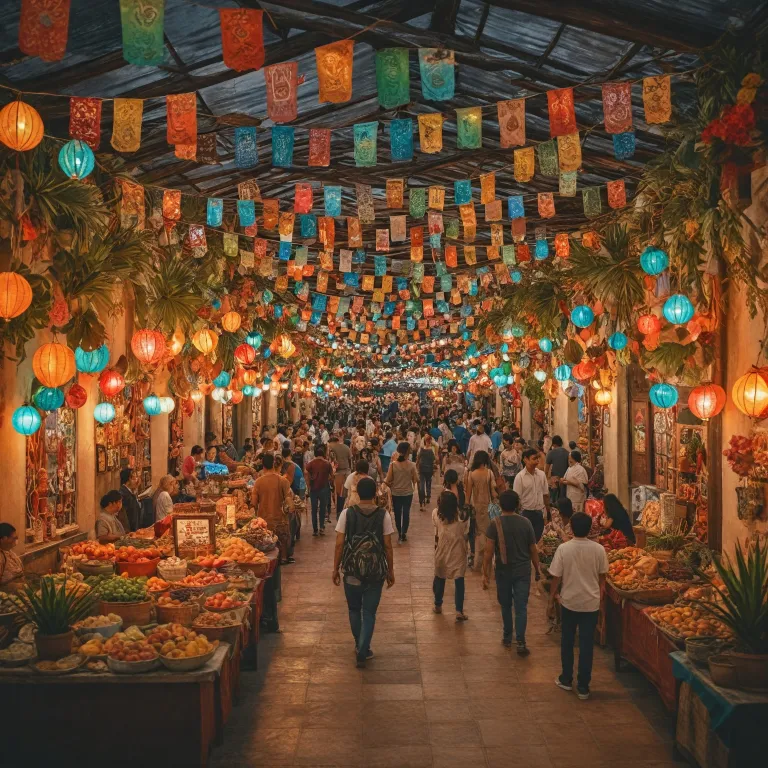
Binational collaboration: redefining the hospitality ecosystem at Tianguis Turistico 2025
Tianguis Turistico 2025 marked a pivotal transformation in the hospitality industry, setting a new standard for binational collaboration between Mexico and the United States. The event, held in Baja California and San Diego, united institutions publiques, federations, hotel networks, tourism clusters, and institutional investors under a shared vision. This unprecedented partnership showcased how cross-border cooperation can amplify tourism, foster economic growth, and strengthen the entire ecosystem.
By integrating the efforts of the Government of Baja California and the Government of San Diego, Tianguis Turistico 2025 created a dynamic platform for buyers, exhibitors, and travel advisors from 46 countries. The Baja California Center in Playas de Rosarito became the focal point for business appointments, with over 71,882 scheduled meetings and a 50% conversion rate to sales. This achievement demonstrated the power of institutional networks and the importance of coordinated action in the hospitality sector.
Key stakeholders, including Josefina Rodríguez Zamora, Secretary of Tourism of Mexico, and Marina del Pilar Ávila Olmeda, Governor of Baja California, emphasized the significance of this event for the industry’s future. The event’s structure, which included cultural and culinary showcases, highlighted the value of wellness tourism and the integration of marketing technology. The collaboration between public and private sectors, as well as between nations, positioned Tianguis Turistico as a model for future tourism events.
Institutional engagement and the evolution of tourism networks
Institutional engagement was at the heart of Tianguis Turistico 2025, with federations, hotel networks, and tourism clusters playing a central role in shaping the event’s agenda. The participation of professional associations and institutional investors ensured that the event addressed the needs of the entire hospitality value chain. This approach fostered a sense of shared responsibility and encouraged the adoption of best practices across the sector.
Professional federations and hotel networks leveraged the event to strengthen their relationships with buyers, travel agents, and tour operators. The presence of buyers exhibitors from across Mexico, the United States, and Canada facilitated knowledge exchange and the development of innovative business models. The event’s inclusive approach, which welcomed the general public, further expanded the reach of institutional networks and promoted the democratization of tourism opportunities.
Clusters such as those from Tijuana, Ensenada, and Rosarito showcased their unique offerings, from wellness tourism to culinary cultural experiences. These clusters demonstrated how regional collaboration can drive destination marketing and enhance the global appeal of Mexico’s tourism sector. For further insights into the evolution of tourism networks, explore the role of institutional partnerships in hospitality.
Marketing technology and digital transformation in tourism events
The integration of marketing technology was a defining feature of Tianguis Turistico 2025, enabling exhibitors and buyers to connect efficiently and maximize business opportunities. Digital appointment scheduling systems streamlined interactions, while targeted digital marketing campaigns amplified the event’s visibility across North America and beyond. These tools empowered travel advisors, travel agents, and tour operators to engage with destinations and buyers in real time.
Exhibitors representing all 32 Mexican states utilized digital platforms to present their destinations, highlighting the diversity of tourism products available in Mexico. The use of marketing technology also facilitated the collection and analysis of data, providing valuable insights into buyer preferences and market trends. This data-driven approach allowed institutional investors and hotel networks to make informed decisions and tailor their offerings to meet evolving demands.
Wellness tourism and culinary cultural experiences were promoted through immersive digital content, attracting buyers from California, the United States, and beyond. The event’s digital transformation set a new benchmark for the industry, demonstrating how technology can enhance the effectiveness of tourism events. For a deeper understanding of digital transformation in hospitality, visit the impact of marketing technology on tourism.
Wellness, culinary, and cultural tourism: driving destination appeal
Wellness tourism, culinary cultural experiences, and regional diversity were central themes at Tianguis Turistico 2025, reflecting the evolving preferences of international buyers and travelers. Destinations such as Tijuana, Rosarito, and San Felipe highlighted their unique wellness offerings, from spa retreats to holistic health experiences. These initiatives positioned Baja California as a leading destination for wellness tourism in Mexico and the broader North American market.
Culinary cultural showcases featured the rich gastronomic heritage of Mexico, with demonstrations and tastings that captivated buyers, travel advisors, and institutional investors. The integration of local flavors and traditions reinforced the importance of cultural authenticity in destination marketing. Buyers from California, the United States, and other regions expressed strong interest in these experiences, recognizing their potential to attract high-value travelers.
Clusters from Tijuana Ensenada and Rosarito collaborated to present a unified vision for the region, emphasizing the synergy between wellness, culinary, and cultural tourism. This holistic approach enhanced the appeal of Mexico’s destinations and contributed to the event’s record-breaking success.
Business outcomes and economic impact of Tianguis Turistico 2025
Tianguis Turistico 2025 delivered exceptional business outcomes, generating 1,380 million pesos in economic revenue and achieving a hotel occupancy rate of 90% during the event. The participation of 8,781 visitors and representatives from 46 countries underscored the event’s global reach and influence. The high volume of business appointments, with a 50% conversion rate, reflected the effectiveness of the event’s structure and the strength of institutional networks.
Buyers and exhibitors from Mexico, the United States, and Canada engaged in meaningful negotiations, resulting in new partnerships and expanded market access. The event’s success was further amplified by the use of digital platforms, which facilitated seamless communication and follow-up between stakeholders. The presence of institutional investors signaled confidence in the future growth of Mexico’s tourism sector.
As the event concluded, Evelyn Salgado Pineda, Governor of Guerrero, received the symbolic baton to host the next edition in Acapulco, ensuring the continuity of this influential platform. The economic impact of Tianguis Turistico 2025 set a new benchmark for tourism trade fairs in the region, inspiring future events to adopt similar models of collaboration and innovation.
Expert perspectives and verified insights from Tianguis Turistico 2025
Expert voices played a crucial role in shaping the narrative and outcomes of Tianguis Turistico 2025. Josefina Rodríguez Zamora, Secretary of Tourism of Mexico, led the organization and execution of the event, overseeing its binational expansion and record-breaking achievements. Marina del Pilar Ávila Olmeda, Governor of Baja California, hosted the event and facilitated the first-ever Tianguis Turistico in northern Mexico. Evelyn Salgado Pineda, Governor of Guerrero, received the symbolic baton to host the 50th edition in Acapulco.
These leaders emphasized the importance of institutional collaboration, innovation, and inclusivity in driving the success of the event. Their expertise and authority lent credibility to the event’s outcomes and reinforced the value of coordinated action in the hospitality industry. The event’s achievements were further validated by the record number of business appointments, high conversion rates, and significant economic revenue generated.
As the hospitality ecosystem continues to evolve, the insights and leadership of these experts will remain essential in guiding future initiatives. Their commitment to excellence and their vision for the industry serve as a model for institutions, federations, and investors seeking to navigate the complexities of the tourism sector.
Key statistics and frequently asked questions about Tianguis Turistico 2025
Key statistics from Tianguis Turistico 2025
- Total business appointments: 71,882 appointments
- Percentage of business appointments resulting in sales: 50%
- Total visitors: 8,781 visitors
- Number of participating countries: 46 countries
- Total economic revenue generated: 1,380 million pesos
- Hotel occupancy rate during the event: 90%
Frequently asked questions
What is Tianguis Turístico?
Tianguis Turístico is Mexico's premier annual tourism trade fair, bringing together national and international buyers and exhibitors to promote the country's tourism offerings.
Why was Tianguis Turístico 2025 significant?
The 2025 edition was the first to be held binationally, with events in both Mexico and the United States, marking a historic expansion of the fair's reach.
What were the main outcomes of Tianguis Turístico 2025?
The event achieved a Guinness World Record for attendance, facilitated over 71,000 business appointments with a 50% conversion to sales, and generated significant economic revenue for the host region.
Where will Tianguis Turístico 2026 be held?
The 50th edition of Tianguis Turístico is scheduled to be held in Acapulco, Guerrero, Mexico, from April 27 to 30, 2026.
How did digital platforms contribute to the event's success?
Digital platforms enabled efficient business appointment scheduling, enhanced marketing reach, and facilitated real-time engagement between buyers, exhibitors, and travel advisors, contributing to the event’s record-breaking outcomes.
References: mexicanpressagency.org, sectur.gob.mx, gob.mx