Driving operational efficiency: The strategic role of hotel automation in the hospitality ecosystem
Hotel automation has become a pivotal force in reshaping the hospitality industry’s ecosystem, especially for institutions publiques, professional federations, hotel networks, tourism clusters, and institutional investors. The integration of automation tools and systems within hotels is not merely a technological upgrade; it is a strategic imperative that enhances operational efficiency and aligns with evolving guest expectations. Automated systems streamline hotel operations, reducing time-consuming manual processes and enabling staff to focus on high-value service delivery. Property management systems (PMS), building automation, and automation software are now central to modern hotel management, providing real-time data and actionable insights for decision-makers. The adoption of these technologies supports dynamic pricing, optimizes revenue management, and ensures that hotels remain competitive in a rapidly changing market. As automation hotel solutions become more prevalent, the hospitality industry witnesses a significant shift towards data-driven operations, where management systems and software facilitate seamless coordination between front desk, staff, and guests. This transformation is not only about cost reduction but also about creating a resilient, adaptive, and guest-centric property management framework.
Enhancing guest experience through automated systems and real-time service
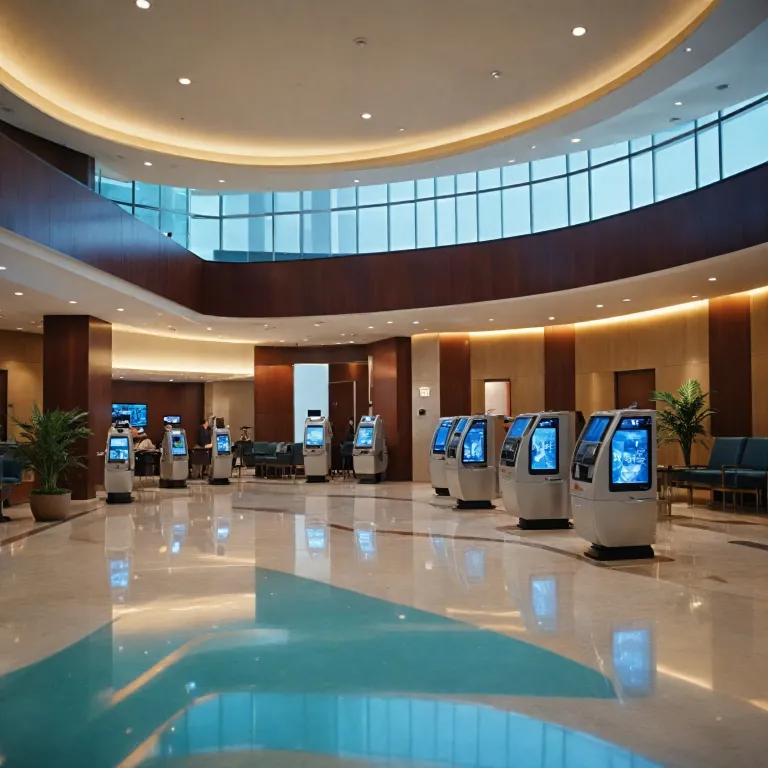
Guest experience stands at the heart of every successful hotel, and automation is redefining how hotels engage with their guests. Automated systems, such as digital check-in kiosks, AI-powered telephone systems, and smart room controls, empower guests to personalize their stay and access services with unprecedented convenience. The use of automation tools in front desk operations reduces wait times and allows staff to focus on delivering personalized service, thus elevating the overall guest experience. Real-time service requests, managed through automation software, ensure that guests’ needs are addressed promptly, enhancing satisfaction and loyalty. Hotels leveraging building automation and property management systems can offer tailored experiences, from dynamic pricing to customized room settings, all managed seamlessly through integrated technology. The hospitality industry’s commitment to guest-centric innovation is evident in the growing adoption of automated systems that anticipate and respond to guests’ preferences. For institutions and hotel networks, investing in automation hotel solutions is not just a matter of operational efficiency but a strategic move to foster guest loyalty and drive repeat business. For more insights on optimizing guest experience through technology, explore our comprehensive guide on hotel digital transformation strategies.
Empowering staff and redefining roles with automation tools and management systems
The introduction of automation in hotel operations is transforming the roles and responsibilities of staff, enabling them to focus on complex, guest-facing tasks rather than repetitive, time-consuming duties. Automation tools, such as AI-driven telephone systems and service robots, handle routine service requests, freeing up staff to deliver high-value interactions and personalized attention. Management systems and automation software provide staff with real-time data, supporting informed decision-making and efficient resource allocation. This shift not only improves operational efficiency but also enhances job satisfaction and staff retention, as employees are empowered to contribute meaningfully to the guest experience. The hospitality industry’s embrace of automated systems is fostering a culture of continuous improvement, where staff focus is directed towards innovation and service excellence. As hotels integrate property management and building automation solutions, the synergy between technology and human expertise becomes a defining feature of successful hotel operations. For a deeper understanding of how automation is reshaping staff roles, visit our article on workforce transformation in hospitality.
Maximizing revenue management and dynamic pricing through automation hotel solutions
Revenue management is a critical component of hotel success, and automation is revolutionizing how hotels approach pricing and inventory control. Automated systems and management software enable real-time analysis of booking channels, market demand, and guest preferences, allowing hotels to implement dynamic pricing strategies that maximize revenue. Automation tools streamline the process of adjusting rates and availability, ensuring that hotels can respond swiftly to market fluctuations and optimize occupancy. Property management systems integrate seamlessly with revenue management platforms, providing a holistic view of operations and facilitating data-driven decision-making. The adoption of automation hotel solutions empowers hotels to capture new revenue opportunities, reduce operational costs, and enhance profitability. For hotel networks and institutional investors, the ability to leverage automation for revenue management is a key differentiator in a competitive landscape. As the hospitality industry continues to evolve, the integration of automated systems and dynamic pricing models will remain central to sustainable growth and financial performance.
Building a resilient property management framework with integrated automation software
Property management in the hospitality industry demands agility, scalability, and resilience, qualities that are increasingly delivered through integrated automation software. Modern property management systems consolidate data from multiple sources, enabling hotels to monitor operations, manage service requests, and optimize resource allocation in real time. Building automation solutions enhance operational efficiency by automating energy management, security, and maintenance tasks, reducing costs and environmental impact. The synergy between automation hotel systems and management software creates a robust framework for proactive decision-making and risk mitigation. Automated systems provide actionable insights that support long-term planning and strategic investments, ensuring that hotels remain adaptable in the face of market volatility. For institutions publiques and professional federations, promoting the adoption of integrated automation tools is essential to fostering industry-wide resilience and competitiveness. The future of property management lies in the seamless integration of technology, people, and processes, where automation serves as the backbone of sustainable hotel operations.
Data-driven decision making: Leveraging real-time data and analytics for continuous improvement
Data is the lifeblood of modern hotel operations, and automation enables hotels to harness real-time data for continuous improvement and innovation. Automated systems and management software collect and analyze data from every aspect of hotel operations, from guest interactions to revenue management and service delivery. This data-driven approach empowers hotels to identify trends, anticipate guest needs, and implement targeted strategies that enhance operational efficiency and guest satisfaction. The use of automation tools in data analytics supports dynamic pricing, personalized marketing, and resource optimization, driving measurable results across the hospitality industry. As hotels embrace automation hotel solutions, the ability to leverage data for strategic decision-making becomes a key competitive advantage. "Automatisierung kann die Betriebseffizienz steigern, Kosten senken und das Gästeerlebnis verbessern." "Zu den eingesetzten Technologien gehören KI-gestützte Telefonanlagen, Serviceroboter, digitale Sprachassistenten und Property Management Systeme." "Automatisierung kann repetitive Aufgaben übernehmen, sodass sich das Personal auf anspruchsvollere Tätigkeiten konzentrieren kann." These insights underscore the transformative impact of automation on hotel operations, staff focus, and guest experience. By fostering a culture of data-driven innovation, hotels can achieve operational excellence and deliver exceptional value to guests, staff, and stakeholders alike.
Key statistics: The impact of automation in hotel operations
- 35% of hotels utilize automation technologies in their operations.
- Automation in hotel operations offers a potential cost saving of 20%.
Frequently asked questions about hotel automation in the hospitality industry
What benefits does automation offer to hotels?
Automation can increase operational efficiency, reduce costs, and enhance the guest experience by streamlining processes and enabling staff to focus on high-value tasks.
Which technologies are used for automation in hotels?
Technologies include AI-powered telephone systems, service robots, digital voice assistants, and property management systems, all of which contribute to more efficient and responsive hotel operations.
How does automation affect hotel staff?
Automation takes over repetitive tasks, allowing staff to concentrate on more complex and guest-oriented responsibilities, which can improve job satisfaction and service quality.
How can guests benefit from hotel automation?
Guests benefit from reduced wait times, personalized services, and greater convenience through features like digital check-in, smart room controls, and real-time service requests.
What is the role of data in automated hotel operations?
Data collected and analyzed by automated systems supports dynamic pricing, resource optimization, and continuous improvement, ensuring hotels remain competitive and guest-focused.
