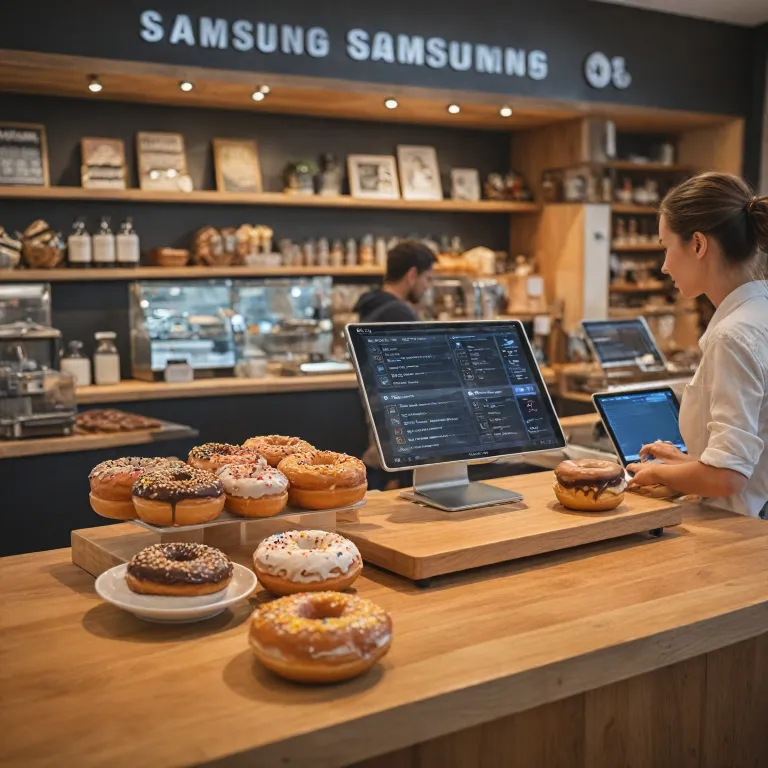
Strategic relevance of donut POS systems for hospitality institutions
Within the hospitality ecosystem, donut POS systems now sit at the crossroads of technology, regulation, and territorial development. A modern POS system in a donut shop or café is no longer a simple point of sale ; it is a strategic asset that connects the shop to wider tourism flows, institutional programmes, and professional networks. For public institutions and investors, each donut shop equipped with robust systems becomes a measurable node in the local hospitality value chain.
When a donut shop adopts an integrated pos system, the business gains real time visibility on sales, inventory management, and customer behaviour. These data streams, aggregated across many donut shops and coffee outlets, offer institutions a powerful analytics layer to guide long term planning and enhance customer satisfaction at destination level. In this context, donut pos solutions help transform fragmented shops into coordinated actors within regional hospitality clusters.
For fédérations professionnelles and hotel networks, the best pos systems in donut and coffee segments support harmonised service standards and shared KPIs. A cloud based shop pos platform can align point sale practices, customer service protocols, and management dashboards across multiple shops, while still respecting each local business identity. By treating every donut shop as a micro hospitality hub, institutions can better support quick service formats that complement hotels, transport nodes, and cultural venues.
From single donut shop to networked hospitality asset
At street level, a single donut shop may appear as a modest retail point, yet donut POS systems can elevate it into a fully connected hospitality micro asset. When shop owners deploy a scalable pos system, they unlock structured data on every sale, every customer interaction, and every product line. This data, when shared in anonymised form with clusters tourisme or municipal authorities, informs more precise tourism management and investment decisions.
Modern pos software for donut shops integrates inventory management, staff scheduling, and customer service tools into one system donut architecture. Such systems enable real time monitoring of donuts, coffee, and complementary items, reducing waste and aligning supply with visitor peaks around events or transport hubs. For institutions designing hospitality ecosystem examples and innovative networks, these capabilities illustrate how small shops can support destination resilience.
Professional federations can negotiate framework agreements with providers like Toast, Square, or Revel to equip multiple donut shops with harmonised shop pos and shops pos configurations. This approach mirrors strategies used in major hotel industry networks in Asia, where shared technology standards underpin scalable growth and institutional oversight. For policymakers, supporting donut pos adoption through grants or tax incentives can be an efficient lever to enhance customer experience and local employment.
Hospitality ecosystem examples and innovative networks show how coordinated technology choices at point sale level can reinforce territorial branding. Donut pos systems, when aligned with such strategies, help transform dispersed shops into a coherent hospitality narrative. This alignment strengthens both customer satisfaction and investor confidence in the broader tourism system.
Institutional frameworks, data governance, and donut POS systems
For institutions publiques, the proliferation of donut POS systems raises essential questions about data governance, interoperability, and territorial equity. Each pos system deployed in a donut shop generates granular data on sales, time of purchase, product mix, and customer flows. When aggregated responsibly, this data can inform zoning policies, transport planning, and support schemes for quick service corridors around stations or cultural districts.
Clusters tourisme and professional networks must therefore frame guidelines on how shop owners share data from their pos systems while protecting privacy. Clear protocols on data access, storage, and analytics help ensure that donut pos deployments serve both business interests and public policy goals. In parallel, institutions can encourage the use of open API standards so that different systems communicate efficiently across hotel, restaurant, and donut shop environments.
Investisseurs institutionnels increasingly assess the quality of point sale infrastructure, including donut POS systems, when evaluating hospitality portfolios. Robust pos software with strong analytics and inventory management functions signals disciplined management and reliable reporting. This is particularly relevant for franchise based donut shops, where consistent customer service and real time performance monitoring underpin long term brand value.
International events and trade platforms, such as those highlighted in analyses of binational innovation and institutional networks, show how coordinated technology adoption can accelerate ecosystem maturity. Donut pos solutions, when integrated into such frameworks, help align small quick service outlets with national tourism strategies. This alignment reinforces the role of donut shops as agile, data rich complements to larger hospitality assets.
Designing support schemes for donut shops and quick service networks
Public agencies and fédérations professionnelles can design targeted support schemes to accelerate the adoption of donut POS systems in strategic corridors. Initial hardware investments for modern POS systems in donut shops typically start around 1 200 USD, with monthly software subscription fees from 70 USD, which can be significant for small independent shops. By co financing this capex and early opex, institutions help shop owners access the best pos technologies without compromising cash flow.
Support programmes can prioritise donut shops located near hotels, transport hubs, and cultural venues, where quick service formats enhance customer experience for visitors. Subsidised pos software packages that include inventory management, analytics, and customer service modules enable these shops to operate as reliable extensions of the hospitality offer. Over the long term, such schemes can raise overall customer satisfaction and strengthen the destination’s gastronomic identity around donuts and coffee.
Professional networks may also negotiate collective licences for shop pos and shops pos platforms, reducing unit costs and standardising point sale practices. Training modules on system donut configuration, data analytics, and customer relationship management can be delivered through clusters tourisme. This approach ensures that donut shop business models remain competitive while aligning with institutional expectations on transparency and performance.
International POS System Provider Toast offers comprehensive POS packages tailored for bakeries and cafes, while Square provides versatile POS solutions suitable for small to medium-sized businesses, and Revel delivers advanced POS systems designed for various food service establishments. These actors can partner with institutions to pilot donut pos deployments in priority districts. Such pilots generate real time evidence on how technology can enhance customer journeys across the wider hospitality ecosystem.
Network effects, interoperability, and cross segment hospitality strategies
As more donut shops adopt advanced donut POS systems, network effects begin to reshape local hospitality dynamics. Interoperable pos systems allow coordinated promotions between hotels, coffee outlets, and donut shops, using shared analytics to time offers and manage capacity. For example, a hotel network might direct guests to partner donut shops during off peak hours, smoothing demand and supporting small business resilience.
From an institutional perspective, harmonised point sale data across donuts, coffee, and broader food service segments enables more accurate forecasting. Real time dashboards can show how quick service corridors perform during major events, informing security, transport, and urban management decisions. When shop owners, hotel managers, and public authorities share aligned KPIs, donut pos deployments become a lever for integrated destination management.
To fully realise these benefits, clusters tourisme and fédérations professionnelles must encourage standardised data schemas within pos software. This ensures that each pos system, whether in independent donut shops or branded chains, can feed into regional analytics platforms. Over time, such interoperability supports evidence based decisions on where to allocate infrastructure, marketing budgets, and training resources.
Analyses of major hotel industry networks and institutional strategies show how shared technology backbones underpin scalable growth. Applying similar principles to donut pos infrastructures can help territories build resilient, diversified hospitality ecosystems. This approach aligns small quick service outlets with the strategic ambitions of investors and public authorities.
Governance, performance measurement, and future directions for donut POS systems
For institutions publiques and investisseurs institutionnels, the next frontier lies in embedding donut POS systems within formal governance and performance frameworks. Destination management organisations can define reference indicators based on point sale data, such as average sale value, peak time patterns, and repeat customer ratios in donut shops. These metrics, aggregated across shops, inform policies on licensing, public space management, and targeted support.
Fédérations professionnelles can issue charters that link the use of best pos practices to quality labels, encouraging shop owners to maintain high standards of customer service and data integrity. Training on analytics, inventory management, and system donut optimisation can be integrated into certification pathways for quick service operators. Over the long term, this professionalisation strengthens both business performance and institutional trust in reported data.
Looking ahead, institutions may encourage integration between donut pos platforms and wider tourism apps, enabling visitors to select options for nearby donut shops within destination guides. Such integrations can enhance customer journeys by combining real time availability, digital loyalty, and transparent information on products like donuts and coffee. For investors, these connected systems signal a mature, data driven hospitality ecosystem capable of sustaining long term value.
By treating donut POS systems as shared infrastructure rather than isolated shop tools, the hospitality ecosystem can align small quick service outlets with broader strategic objectives. This alignment supports resilient employment, diversified gastronomic offerings, and measurable improvements in customer satisfaction across territories. Ultimately, the governance of pos systems becomes a central lever in shaping inclusive, high performing hospitality networks.
Key quantitative insights on donut POS systems in hospitality ecosystems
- Initial hardware investment for modern POS systems in donut shops typically starts around 1 200 USD per point of sale.
- Monthly software subscription fees for a donut shop pos system generally range from 70 to 300 USD, depending on features and scale.
- Modern donut POS systems with real time inventory management significantly reduce waste and stock shortages in quick service environments.
- Integrated analytics within pos software help donut shops and institutions track sales patterns and customer satisfaction indicators over time.
Frequently asked questions on donut POS systems and hospitality networks
What are the key features to look for in a donut shop POS system?
Key features include efficient order processing, inventory management, sales reporting, and integration with online delivery platforms. For institutions and networks, additional priorities include data export capabilities, interoperability with other hospitality systems, and robust analytics. These elements ensure that each donut shop contributes meaningfully to wider ecosystem intelligence.
How much does a POS system for a donut shop typically cost?
Initial hardware investments range from 1 200 to 5 000 USD, with monthly software subscription fees between 70 and 300 USD. Public support schemes and collective purchasing through fédérations professionnelles can significantly reduce these costs for small shops. Such mechanisms help align individual business constraints with institutional digitalisation goals.
Can a POS system help with inventory management in a donut shop?
Yes, modern POS systems offer real time inventory tracking, helping to prevent stock shortages and reduce waste. For donut shops integrated into hotel districts or transport hubs, this capability is critical to maintaining consistent service levels. Aggregated inventory data also helps institutions understand supply dynamics across quick service corridors.
Why are donut POS systems relevant for hospitality institutions and investors ?
Donut POS systems generate structured data on sales, customer flows, and product performance in quick service environments. When aggregated across territories, this information supports evidence based decisions on infrastructure, marketing, and workforce development. For investors, robust pos infrastructures signal disciplined management and reliable reporting within hospitality portfolios.
How can professional networks support the deployment of donut POS systems ?
Professional networks can negotiate framework agreements with providers, organise training on analytics and inventory management, and define shared data standards. By coordinating these efforts, they reduce costs for shop owners while improving interoperability across the hospitality ecosystem. This collective approach strengthens both business resilience and institutional oversight.