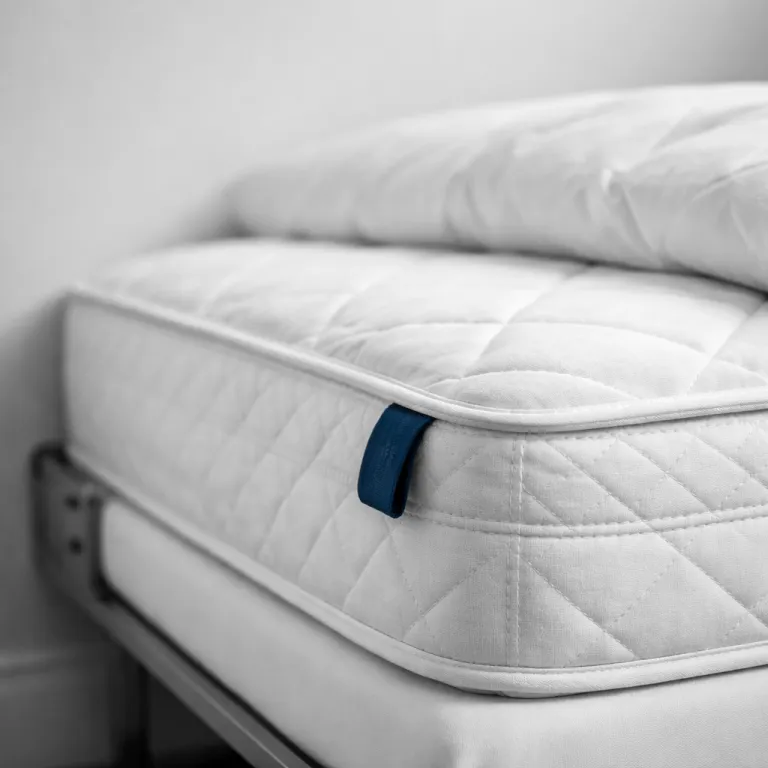
Strategic hotelier beds choices for institutions and professional networks
For public institutions and hotelier networks, the view on beds has shifted from a purely operational topic to a strategic asset. A hotel bed is now treated as a core product that underpins destination competitiveness, guest satisfaction, and long term asset value. When hotel owners and managers align bed policies with regional tourism strategies, they create a coherent set of standards that elevates every participating property.
Institutional investors increasingly scrutinise the mattress portfolio as closely as any other piece of hotel furniture. They expect clarity on the type of bed bases, the durability of spring systems, and the expected warranty year attached to each hotelier mattress. This approach allows them to compare the total price range of hotelier beds across brands, assess the comfort level promised, and evaluate how these options will provide a reliable night sleep for diverse guest segments.
Professional federations can support members by defining reference specifications for mattresses and beds headboards. These specifications should cover foam density, memory foam layers, spring resilience, and the integration of ergonomic bed lift systems that protect housekeeping staff. When federations coordinate with bed manufacturers, they help hotelier groups negotiate better bed set contracts, including extended year warranty terms and robust customer service commitments.
At ecosystem scale, clusters tourisme can promote shared procurement platforms where hotels quickly compare each comfort mattress and mattress comfort profile. A standardised quick view of each product, including mattress comfort data and spring system details, enables rational selection of single double, double queen, or queen king formats. This collective intelligence around hotelier beds strengthens the bargaining power of the entire network and supports consistent sleep quality across territories.
Governance frameworks for hotelier beds within hospitality ecosystems
Public authorities and federations need governance frameworks that treat every bed as a regulated comfort asset. These frameworks should define minimum mattress comfort thresholds, hygiene protocols for furniture mattresses, and replacement cycles aligned with the average hotel bed lifespan. When institutions set such parameters, they help hotelier groups maintain a predictable comfort level while controlling long term maintenance costs.
Within these frameworks, clusters tourisme can coordinate shared audits that evaluate each hotelier mattress and its associated bases. Auditors can use a structured quick view grid to rate spring system integrity, foam performance, and the condition of beds headboards. Results then feed into regional benchmarks, allowing networks to compare bed set quality, warranty year coverage, and the effectiveness of customer service provided by different suppliers.
Professional networks also play a key role in training housekeeping staff on mattress and bed care. Training modules should explain how routine cleaning, protective covers, and bed lift systems extend the life of mattresses and beds. By embedding these practices, institutions ensure that the initial price of each product is amortised over a longer period, improving ROI for hotelier investors.
To reinforce governance, federations can reference best practice resources on networking strategies for hospitality institutions and professional networks. These resources help align bed procurement policies with broader ecosystem objectives, from sustainability to accessibility. When governance frameworks integrate both technical mattress criteria and collaborative processes, they create a resilient foundation for consistent night sleep quality across entire hotel portfolios.
Standardisation, certification, and the role of institutional buyers
Standardisation of hotelier beds is becoming a central topic for certification bodies and institutional buyers. Certification schemes now examine mattress comfort, spring system robustness, and the environmental profile of foam and memory foam components. By embedding these criteria, they encourage hotels to select options that balance comfort, durability, and responsible sourcing.
Institutional investors and public funds often act as anchor buyers for large bed set programmes. They negotiate framework agreements that define the acceptable price range, the minimum year warranty, and the expected customer service response times. These agreements typically cover multiple bed formats, from single double rooms to queen king and double queen suites, ensuring consistent comfort level across the entire hotel network.
For hotelier groups, certification aligned with institutional standards can become a powerful marketing and governance tool. It signals that each hotelier mattress and all associated beds headboards meet rigorous criteria for night sleep quality and safety. Partnerships between hotelier brands and technology providers, similar in spirit to those described in analyses of how strategic partnerships reshape hospitality ecosystems and institutional networks, can further enhance monitoring of mattress performance over time.
Public institutions can also encourage hotels to provide a transparent quick view of bed specifications on booking channels. When guests can select options based on mattress type, spring system, and memory foam presence, they feel more confident in their choice. This transparency, supported by a clear privacy policy and robust customer service, strengthens trust between travellers, hotelier brands, and institutional stakeholders overseeing the ecosystem.
Data, performance metrics, and the economics of hotelier beds
For institutions publiques and investors, data on hotelier beds performance is now a critical decision tool. Key indicators include average mattress lifespan, frequency of guest complaints about bed comfort, and the cost of replacing beds and bases. When hotelier groups share these metrics with federations, the entire ecosystem gains a clearer view of the economic impact of each bed set strategy.
One verified benchmark often cited by industry experts is that “Average hotel bed lifespan : 7 years (King Koil Hotel).” This figure helps institutional buyers model depreciation schedules, warranty year expectations, and the optimal timing for mattress and spring system renewal. By comparing this benchmark with their own data, hotelier networks can refine procurement cycles and negotiate better price conditions.
Advanced analytics also allow clusters tourisme to segment performance by room type, from single double rooms to double queen and queen king suites. They can evaluate whether memory foam mattresses deliver higher guest satisfaction than traditional spring mattresses in specific markets. These insights inform decisions about which comfort mattress options to prioritise in future tenders.
To support evidence based policy, institutions can reference analytical work on the role of hospitality certification bodies in elevating standards. Such resources illustrate how structured data collection around mattress comfort, furniture mattresses durability, and customer service responsiveness will provide a stronger basis for public support schemes. Over time, this data driven approach aligns financial incentives with the objective of delivering consistently excellent night sleep experiences.
Operational integration of hotelier beds in networked hotel portfolios
Within large hotelier networks, operational integration of beds requires close coordination between owners, managers, and suppliers. Standard operating procedures should define how each mattress, bed base, and beds headboards are inspected, cleaned, and replaced. Housekeeping teams need clear guidelines on using bed lift systems, vacuum cleaners, and disinfectants to protect both guests and staff.
Network level procurement teams can streamline operations by defining a limited range of approved bed set configurations. These configurations might specify a particular hotelier mattress model, a compatible spring system, and optional memory foam toppers for enhanced comfort level. By limiting the range of options, hotelier groups simplify maintenance, spare parts management, and warranty year tracking across multiple properties.
Operational manuals should also address the guest facing dimension of hotelier beds. Front office staff must be able to explain the difference between single double, double queen, and queen king beds, as well as the mattress comfort characteristics of each category. When guests request a quick view of available options, staff should confidently present the product range and help them select options that match personal sleep preferences.
Digital tools can further support this integration by centralising data on mattress age, warranty year status, and customer service interactions with bed manufacturers. A robust privacy policy ensures that any guest feedback about night sleep quality is handled responsibly. Over time, this operational discipline around hotelier beds will provide a stable foundation for both guest satisfaction and asset protection within institutional hotel portfolios.
Collaborative innovation and future priorities for institutional stakeholders
Looking ahead, institutions publiques, federations, and clusters tourisme have an opportunity to drive collaborative innovation around hotelier beds. Joint pilot projects can test new mattress technologies, hybrid spring system and memory foam combinations, and sustainable furniture materials. These pilots should involve hotel owners, bed manufacturers, and maintenance teams to ensure that every product innovation is operationally realistic.
One promising avenue is the development of modular bed set solutions that adapt to changing demand. For example, bases and beds headboards could be designed to switch between single double and double queen configurations with minimal effort. Such flexibility allows hotelier networks to optimise room inventory, manage price strategies more dynamically, and maintain a consistent comfort mattress standard across all formats.
Institutional investors can support these innovations by linking financing conditions to measurable improvements in mattress comfort and night sleep outcomes. They may require hotels to provide a transparent quick view of performance indicators, including guest satisfaction scores related to beds and mattresses. Clear service level agreements with suppliers, backed by multi year warranty year commitments and responsive customer service, will provide confidence that investments in hotelier beds are protected.
Finally, governance documents and digital platforms must clearly state how data on mattress usage and guest feedback is handled, with a robust privacy policy at ecosystem level. When all actors, from hotelier brands to public authorities, align around shared standards for bed quality and data ethics, the hospitality ecosystem becomes more resilient. This collaborative approach ensures that every guest, in every hotel, enjoys a reliable and restorative night sleep supported by well managed hotelier beds.
Key quantitative insights on hotelier beds
- Average hotel bed lifespan is estimated at 7 years in many professionally managed properties.
- Common hotel bed sizes include twin, queen, and king formats across global markets.
- Hotels typically plan mattress and bed replacement cycles within a 7 to 10 year window.
- Special mattresses designed for durability and comfort are widely adopted in hotelier portfolios.
Frequently asked questions about hotelier beds in institutional ecosystems
What is the standard size of a hotel bed in professional networks ?
Within institutional hotel portfolios, the standard size of a hotel bed usually follows international norms. Common formats include twin beds for compact rooms, queen beds for standard rooms, and king beds for premium categories. Networks may also deploy double queen or queen king configurations in family or long stay segments, depending on market expectations.
How often do hotels replace their beds under institutional guidelines ?
Hotels operating within structured ecosystems generally replace their beds according to predefined asset management plans. These plans often align with an average lifespan of around seven to ten years for mattresses and bases, adjusted for occupancy intensity. High traffic urban hotels may shorten the cycle, while resort properties with lower wear can extend it slightly, always guided by comfort and hygiene metrics.
Do hotels use special mattresses in institutional portfolios ?
Most hotelier groups and institutional investors require special mattresses engineered for both comfort and durability. These mattresses often combine reinforced spring systems with high density foam or memory foam layers to maintain consistent support over time. Specifications are usually standardised across the network, ensuring that guests experience a similar comfort level in every affiliated property.
How can guests evaluate hotelier beds quality before booking ?
Guests can evaluate hotelier beds quality by checking detailed room descriptions and independent reviews. Many professionally managed hotels now provide a quick view of mattress type, bed size, and comfort features on their websites or booking platforms. Travellers with specific sleep needs should contact the hotel directly to select options that match their preferences, such as firmer mattresses or particular bed sizes.
What role do institutions and federations play in bed standards ?
Institutions publiques and federations professionnelles increasingly define reference standards for hotelier beds within their jurisdictions. They may issue guidelines on mattress comfort, hygiene protocols, and recommended replacement cycles, which hotelier networks then integrate into their procurement policies. By coordinating these standards, institutional actors help ensure consistent night sleep quality and protect the long term value of hospitality assets.