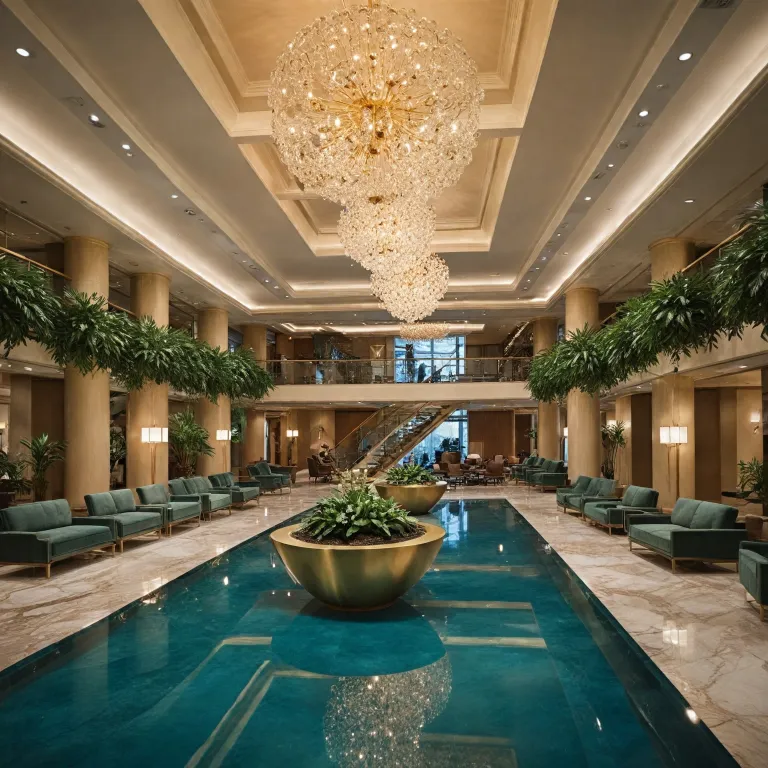
Luxus collection as a strategic lens for hospitality ecosystems
For public institutions and investors, a luxus collection mindset reframes hospitality assets as curated ecosystems rather than isolated properties. In this perspective, each hotel, resort, or serviced residence becomes a carefully defined unit within a broader portfolio, with a transparent unit price and a clearly articulated value narrative. This approach aligns governance, brand strategy, and asset management around a shared understanding of quality, sustainability, and long term territorial impact.
Across the global market, actors such as Luxus Group, Luxus Home and Garden, Luxus Label, and Luxus Maison illustrate how a coherent luxus collection can integrate real estate, furniture, and experiential design. Their strategies show that a bed luxus concept is not only about a premium king or queen bed, but about the full refresh of the guest journey, from materials to service rituals. When institutions evaluate a price range for public private partnerships, they increasingly assess whether the underlying product family behaves like a disciplined collection rather than a random accumulation of units.
For regulators and federations professionnelles, this shift demands new reference frameworks for regular price and sale price transparency across portfolios. A luxus collection approach encourages clear differentiation between regular and sale conditions, with each unit price linked to measurable ESG performance and guest satisfaction. In this context, the content luxus that brands communicate to markets must help stakeholders select options based on long term value, not only short term sale dynamics or isolated design features.
Institutional networks and the architecture of a luxus collection
Institutional networks shape whether a luxus collection becomes a resilient ecosystem or a fragile marketing label. Public authorities, clusters tourisme, and réseaux hôteliers can jointly define standards that treat each hospitality unit as part of a structured collection, with harmonized metrics for price, size, and material quality. This shared architecture helps investors compare regular price and sale price scenarios across territories, while preserving local identity and social impact.
Luxus Group, which has owned and managed more than 50 luxury properties and hospitality assets, illustrates how a coordinated portfolio can support both financial performance and destination branding. Their experience shows that a luxus collection of properties benefits from consistent bed luxus specifications, from twin bed to king bed formats, and from clear documentation of unit price and price unit across markets. When institutional partners align on these principles, they can negotiate more effectively and avoid fragmented, ad hoc incentives that weaken the overall ecosystem.
Within this architecture, professional federations can promote governance models where content luxus is not limited to glossy imagery but includes robust reporting on occupancy, price range, and ESG indicators. Programmes similar to those analysed in the context of institutional loyalty and networked hospitality programmes show how data sharing can reinforce trust between brands and public partners. For clusters tourisme, the ability to select options among different luxus collection formats, from boutique units to larger complexes, becomes a lever to balance visitor flows, local employment, and infrastructure capacity.
Design standards, materials, and the symbolic power of the bed luxus
In luxury hospitality, the bed remains the most tangible symbol of value, and a luxus collection approach elevates it into a strategic design standard. Manufacturers such as Luxus Home and Garden and importers like Luxus Maison demonstrate how natural material choices, from teak to ash and mango wood, can anchor a coherent product narrative. When institutional investors evaluate a project, they increasingly examine whether the bed luxus concept, from twin bed to queen bed and king bed, reflects durable material sourcing and lifecycle cost efficiency.
Within this framework, the specification of velvet, black velvet, and velvet queen headboards or bed boxes is not a superficial detail but part of a codified design language. A luxus black palette, combined with grey accents and carefully sized bed boxes, can signal both timelessness and operational practicality, especially when cleaning protocols and replacement cycles are considered. For regulators and clusters tourisme, encouraging such standards within a luxus collection can reduce waste, improve maintenance planning, and support local supply chains for certified material.
Technical guidance on air quality, energy performance, and interior finishes, as explored in strategic air quality management solutions for hospitality, complements these design choices. When public institutions integrate these criteria into tender documents, they help ensure that regular price and sale price structures reflect genuine quality rather than cosmetic upgrades. In turn, guests experience a full refresh of comfort standards, while investors benefit from more predictable maintenance costs and stronger resale values within the luxus collection.
Pricing architectures, transparency, and institutional risk management
For institutional investors and public partners, the financial architecture behind a luxus collection is as critical as its aesthetic coherence. Transparent frameworks that distinguish regular price, sale price, and unit price for each hospitality product reduce information asymmetry and support more robust risk assessments. When a portfolio includes multiple unit types, from twin bed rooms to queen bed and king bed suites, clarity on price unit and price range becomes essential for long term planning.
In practice, this means that every bed luxus configuration, including velvet queen or black velvet headboards, should be linked to a clear cost structure and depreciation schedule. A disciplined luxus collection will document how material choices, such as premium velvet or sustainably sourced wood, influence both regular price and potential price sale strategies during low demand periods. For public institutions, this level of detail supports more accurate projections of tax revenues, employment impacts, and infrastructure needs over the asset lifecycle.
Institutional networks can also encourage digital tools that help stakeholders select options and avoid the temptation to skip content that appears overly technical. When content luxus includes accessible explanations of price range scenarios, investors can compare different selection full packages, from standard units to more elaborate bed boxes configurations. Insights from adjacent segments, such as quick service formats reshaping hospitality ecosystems, show how granular pricing and modular design can enhance resilience, especially in volatile demand environments.
Curating experiences across brands : from furniture to fashion and vacation assets
The broader luxus collection universe, spanning Luxus Label, Luxus Home and Garden, Luxus Maison, and Luxus Group, offers valuable lessons for hospitality ecosystems. Each actor operates in a different segment, yet together they illustrate how a coherent collection can align fashion, furniture, and vacation properties around shared values of exclusivity and sustainability. For institutional stakeholders, this cross sector perspective helps frame hospitality not only as accommodation but as part of a curated lifestyle narrative.
Luxus Label shows how limited edition garments can reinforce the emotional dimension of a stay, especially when integrated into boutique retail or staff uniforms within a luxus collection property. Their emphasis on custom designed pieces produced in limited quantities mirrors the logic of carefully controlled unit numbers in high end resorts, where each unit price reflects scarcity and craftsmanship. In parallel, Luxus Home and Garden and Luxus Maison demonstrate how a selection full of indoor and outdoor furniture, from black velvet lounge pieces to grey teak terraces, can extend the bed luxus promise into every guest touchpoint.
For public institutions and clusters tourisme, these examples highlight the importance of aligning cultural programming, retail curation, and design guidelines with the overarching luxus collection strategy. When tenders specify coherent product families, from twin bed rooms to suites with velvet queen accents, they encourage operators to select options that reinforce the destination’s identity. This integrated approach reduces the risk of fragmented experiences, where guests mentally skip content that feels inconsistent, and instead supports a full refresh of the territory’s hospitality narrative.
Governance, data, and long term value in luxus collection ecosystems
Robust governance is essential if a luxus collection is to generate lasting value for territories and investors. Public institutions, fédérations professionnelles, and réseaux hôteliers can jointly define data standards that track occupancy, price range, and maintenance cycles for each unit, from twin bed rooms to king bed suites. When these datasets are linked to material specifications, such as black velvet headboards or grey bed boxes, they enable more precise forecasting of refurbishment needs and sale price strategies.
Within this governance framework, it becomes easier to differentiate between regular price policies that sustain long term asset quality and aggressive price sale tactics that may erode brand equity. A mature luxus collection will use selection full dashboards that allow decision makers to select options based on lifecycle ROI, ESG performance, and guest satisfaction, rather than short term occupancy alone. To support informed debate, stakeholders should resist the temptation to skip content in technical reports and instead ensure that content luxus is written in accessible, human centric language.
As one reference point, “They use natural products including teak, ash, mango wood, and real leather. Each piece is custom-designed and produced in limited quantities. They focus on Brazilian furniture that combines rich natural materials with modern design. They have owned and managed over 50 luxury properties and hospitality assets.” These verified statements underline how the luxus collection universe already operates at the intersection of craftsmanship, sustainability, and institutional scale. For policymakers and investors, aligning governance frameworks with these principles can help ensure that every bed luxus, every unit price, and every sale price contributes to resilient, high quality hospitality ecosystems.
Key quantitative insights on luxus collection ecosystems
- Luxus Group has owned and managed more than 50 luxury properties and hospitality assets across international markets, illustrating the scale potential of a coordinated luxus collection.
- The value of Luxus Group’s assets is reported at approximately 100 million USD, signalling strong institutional relevance for investors and public partners.
- Luxus Home and Garden’s use of durable natural materials such as teak, ash, and mango wood supports longer refurbishment cycles and more predictable maintenance budgets.
- Limited edition production models, as used by Luxus Label, demonstrate how controlled unit numbers can sustain premium price range positioning over time.
Frequently asked questions on luxus collection and hospitality networks
How does a luxus collection approach benefit public institutions and territories ?
A luxus collection approach helps public institutions structure hospitality development around coherent portfolios rather than isolated projects. This coherence improves forecasting of tax revenues, employment, and infrastructure needs, while reinforcing the destination’s brand. It also facilitates clearer negotiations on regular price, sale price, and ESG commitments with private operators.
What role do federations professionnelles play in shaping luxus collection standards ?
Federations professionnelles can translate the principles of a luxus collection into sector wide guidelines on design, pricing transparency, and sustainability. By promoting shared benchmarks for bed luxus specifications, material sourcing, and unit price reporting, they reduce fragmentation and raise overall quality. Their advocacy also supports fair competition and protects smaller operators within institutional networks.
How can clusters tourisme integrate luxus collection logic into their strategies ?
Clusters tourisme can use luxus collection logic to coordinate investments across accommodation, retail, and cultural experiences. By curating complementary projects, from boutique hotels with velvet queen rooms to design led public spaces, they create a consistent narrative for visitors. This integrated approach strengthens territorial attractiveness and encourages longer stays and higher local spending.
Why is data governance crucial for luxus collection ecosystems ?
Data governance ensures that decisions about price range, refurbishment, and expansion are based on reliable, comparable information across the collection. Standardized indicators for occupancy, maintenance, and ESG performance allow institutions and investors to select options aligned with long term objectives. It also enhances transparency, which is essential for public accountability and investor confidence.
How do sustainability and material choices influence luxus collection value ?
Sustainable material choices, such as responsibly sourced wood or durable black velvet textiles, reduce lifecycle costs and environmental impact. When these choices are embedded in luxus collection standards, they support stronger brand positioning and regulatory compliance. Over time, this alignment between design, sustainability, and pricing reinforces both financial and societal value for hospitality ecosystems.