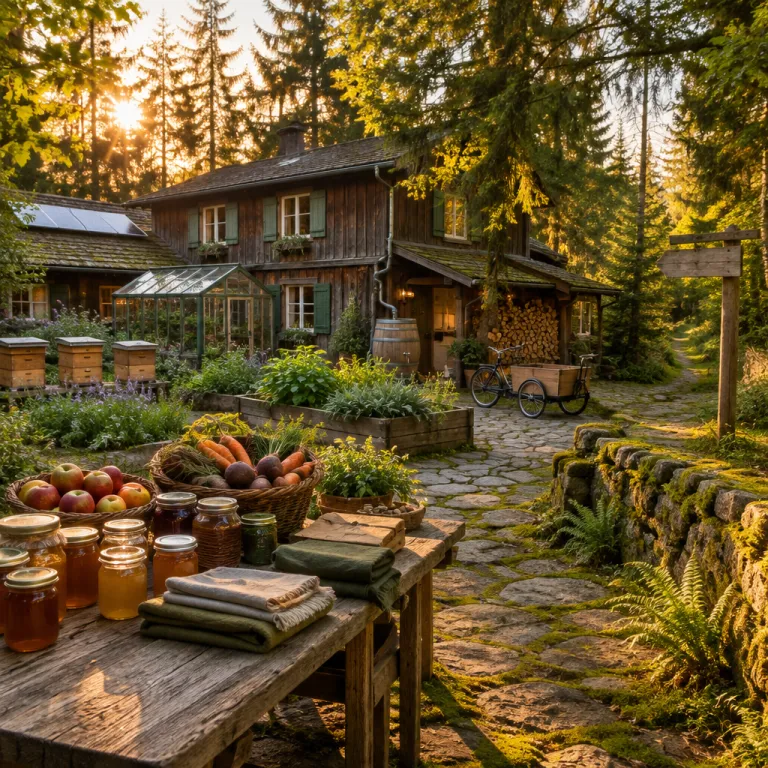
Hospitality ecosystem structure through the lens of wakefieldcountryinn com products
Wakefieldcountryinn.com products offer a compact case study of how a rural hospitality ecosystem in Oklahoma can function as a coherent network. The site’s mix of country inn accommodation, winery experiences, ranch activities, and regional food partners shows how a small destination can align lodging, gastronomy, and landscape into one strategic value chain. For public institutions and professional federations, this illustrates how a single country inn can anchor a wider territorial offer across several miles in a sparsely populated area of the state.
At the core sits the Wakefield Country Inn, which operates as both a bed breakfast property and a micro hub for local wine and food experiences. Around it, the inn’s packages curate access to a nearby vineyards winery, a meadery, a pecan company, and ranch experiences that extend the guest journey far beyond the inn’s walls. This structure mirrors a mature hospitality ecosystem where each stakeholder keeps its identity while contributing to a shared narrative about place, terroir, and rural lifestyle in Wakefield and neighbouring communities.
For state tourism agencies and clusters tourisme, the Wakefield model shows how to formalise these links into investable products. A stay at the inn often includes a wine tasting at a top winery, a visit to a working ranch, and a picnic area experience that can be packaged as a single sale with clear margins and measurable ROI. When wakefieldcountryinn.com products integrate wine, ranch, and food partners into one booking path, they reduce friction for guests and create a stronger case for institutional support, signage, and infrastructure funding across the country road network.
From isolated assets to connected stakeholders in rural hospitality
Many rural destinations in Oklahoma and other states still treat their wineries, ranches, and country inns as isolated attractions. Wakefieldcountryinn.com products show a different path, where the Wakefield winery, a nearby B&G meadery style operation, and a regional pecan company are positioned as complementary pillars of one coherent guest itinerary. This shift from stand alone assets to orchestrated stakeholders is where institutions publiques and réseaux hôteliers can have the greatest leverage over long distances of country landscape.
In practice, the Wakefield Country Inn does not simply list a winery Wakefield address or a meadery contact; it curates specific wine event formats, birding picnic options, and family reunions packages that add real value. Guests can move from a structured wine tasting at a top winery to a relaxed picnic area under pecan trees, then return to the inn vineyards for an evening tasting flight. Each step is a wakefieldcountryinn.com product that transforms a simple sale into a multi touch experience with higher spend per mile travelled and deeper engagement with the local food economy.
For clusters tourisme, this model underlines the importance of shared digital infrastructure and data. When a ranch, a vineyards winery, and a bed breakfast inn share booking information and capacity data, they can coordinate events, manage peaks, and optimise staffing. Case studies on how smart towel tracking is reshaping the hospitality ecosystem show that even simple operational technologies, when shared across partners, can unlock new efficiencies and sustainability gains for the entire network of wine, ranch, and food operators.
Institutional roles in structuring wine, ranch, and food networks
Wakefieldcountryinn.com products highlight how public and private institutions can structure a fragmented rural offer into a recognisable brand. In the Wakefield area of Oklahoma, the combination of a country inn, a working ranch, and a cluster of vineyards creates a narrative that state tourism boards can promote as a themed route. When a winery Wakefield experience is consistently linked with local food, ranch mustangs encounters, and pecan tastings, the territory gains a clear positioning in competitive domestic markets for wine and ranch tourism.
Institutional investors and fédérations professionnelles can support this by co financing shared tasting rooms, signage, and digital marketing for all participating vineyards and ranches. A coordinated strategy allows a top winery, a B&G meadery type producer, and a Bryant Pecan style company to appear together in campaigns, rather than competing for fragmented attention. Insights on how metasearch engines and online travel agencies reshape the hospitality ecosystem show that such integrated offers perform better on digital platforms, where guests search by theme, such as “wine tasting and ranch stay in Oklahoma,” rather than by individual operator.
For networks of country inns, the Wakefield Country Inn model suggests that each inn vineyards partnership should be framed as part of a broader ecosystem, not a one off collaboration. When wakefieldcountryinn.com products present wine event calendars, ranch visits, and reunions birding weekends under one umbrella, they create a stable pipeline of demand that justifies long term investment. This is where institutions publiques can step in with grants for infrastructure, training, and sustainability upgrades that benefit every stakeholder in the chain, from vineyards winery owners to ranch mustangs guides.
Designing integrated products around wakefieldcountryinn com offerings
For investors and clusters tourisme, the most instructive aspect of wakefieldcountryinn.com products is how they bundle experiences into clear, bookable modules. A typical package might include two nights at the Wakefield Country Inn, a guided wine tasting at the Wakefield winery, and a half day visit to a nearby ranch such as Mowdy Ranch. By structuring the offer this way, the inn transforms dispersed rural assets into a single, high value sale that is easy to promote, price, and measure across seasons.
Another product line combines gastronomy and nature, linking a visit to a vineyards winery with a birding picnic in a designated picnic area and a tasting of local pecans from a partner similar to Bryant Pecan. Families can book family reunions that integrate bed breakfast accommodation, private wine event sessions, and reunions birding walks that appeal to multiple generations. Each element remains operated by its specialist, yet wakefieldcountryinn.com products orchestrate the timing, transport over several miles, and pricing to create a seamless experience that feels like one continuous country escape.
Professional federations can use this model as a template for other rural regions with similar assets. Rather than promoting a single top winery or a single ranch mustangs attraction, they can encourage operators to co create itineraries that add depth and length of stay. When a Rocky Top style viewpoint, a Stonewall heritage site, and a meadery such as B&G meadery are woven into the same narrative, the destination becomes more resilient to seasonal shifts and market shocks, while giving visitors more reasons to add extra nights to their trip.
Operational synergies and data flows in the hospitality ecosystem
Behind the charm of wakefieldcountryinn.com products lies a complex web of operations that institutions should not underestimate. Coordinating check in times at the inn, wine tasting slots at the vineyards winery, and ranch tour departures over many miles requires shared planning tools. When a country inn, a winery Wakefield operator, and a ranch such as Mowdy Ranch align their calendars, they reduce guest waiting times, avoid transport bottlenecks, and increase capacity utilisation across the ecosystem.
Data sharing is equally critical, especially for investors assessing the performance of rural hospitality networks. Wakefieldcountryinn.com products can track which wine event formats convert best, how many guests extend their stay after a birding picnic, and which family reunions packages generate repeat visits. These datasets help state agencies and clusters tourisme to identify which combinations of inn vineyards stays, meadery visits, and pecan company tastings deliver the strongest economic and social returns for the surrounding country communities.
For réseaux hôteliers, the Wakefield model shows that even small bed breakfast properties can become data rich nodes in a wider system. When they log guest flows between the inn, the top winery, the B&G meadery partner, and the ranch mustangs experiences, they create evidence for targeted infrastructure upgrades. Strategic B2B travel marketing initiatives, such as those outlined in specialised hospitality ecosystem analyses, can then use this evidence to position the region more effectively in domestic and international markets focused on wine, ranch, and nature based travel.
Strategic implications for institutions publiques and investors
For public institutions, wakefieldcountryinn.com products demonstrate that rural hospitality policy should focus on ecosystems, not single assets. Supporting a Wakefield Country Inn without also nurturing its linked vineyards, ranches, and food producers would limit the territory’s potential. When grants, training programmes, and infrastructure investments are designed for networks that include a winery Wakefield operator, a B&G meadery partner, and a Bryant Pecan style company, the impact multiplies across the value chain and across many miles of rural road.
Institutional investors can read the Wakefield case as evidence that small scale, experience rich products can generate robust returns when properly structured. A portfolio that includes bed breakfast properties, vineyards winery stakes, and ranch tourism operations can spread risk while capturing synergies in marketing and operations. Wakefieldcountryinn.com products show that guests who book wine tasting experiences are more likely to add ranch mustangs excursions, birding picnic outings, and food purchases, increasing revenue per trip and strengthening local supply chains.
For fédérations professionnelles and clusters tourisme, the priority is to formalise these collaborations into governance structures that endure leadership changes and market cycles. Joint committees that include inn owners, top winery managers, meadery operators, and ranch representatives can set shared standards for service, sustainability, and safety. Over time, this kind of structured cooperation turns a loose collection of rural businesses into a recognised hospitality ecosystem that can negotiate better with online platforms, transport providers, and state authorities responsible for tourism and regional development.
Key figures shaping hospitality ecosystems and rural networks
- The World Travel & Tourism Council has reported that travel and tourism account for around 10 % of global GDP, underlining why even small networks like wakefieldcountryinn.com products matter in aggregate when replicated across many regions.
- OECD studies on rural tourism have shown that visitors who engage in multiple activities, such as wine tasting, ranch visits, and local food purchases, spend up to 40 % more per trip than single activity visitors, a pattern that supports the Wakefield Country Inn approach.
- Research by state tourism agencies in the United States indicates that wine tourism routes can increase average length of stay by between 0,5 and 1,5 nights, especially when combined with bed breakfast accommodation and nature based activities like birding and ranch tours.
- Surveys of family reunions travel in North America suggest that more than 60 % of organisers prefer destinations that offer both private gathering spaces and structured outdoor activities, a pattern that aligns closely with the Wakefield country inn, ranch, and vineyards model for integrated family events.
FAQ about hospitality ecosystems and wakefieldcountryinn com products
How do wakefieldcountryinn com products illustrate a hospitality ecosystem ?
They show how a country inn, a vineyards winery, ranch experiences, and local food producers can be bundled into coherent, bookable products. Each stakeholder keeps operational autonomy while contributing to shared itineraries such as wine tasting routes, birding picnic days, and family reunions weekends. This interdependence, supported by shared planning and marketing, is the hallmark of a functioning hospitality ecosystem.
Why should public institutions support networks rather than single properties ?
Supporting networks generates stronger economic spillovers, because guests move between multiple businesses during one stay. When a state agency funds infrastructure that benefits an inn, a top winery, a meadery, and a ranch, it amplifies returns on public money. The Wakefield model shows that such integrated support increases length of stay, average spend, and regional visibility for the wider country destination.
What role do data and digital tools play in rural hospitality networks ?
Shared data allow inns, wineries, and ranches to coordinate capacity, design better products, and target marketing more precisely. Even simple booking and calendar tools can align wine event schedules, ranch tours, and picnic area availability. For investors and clusters tourisme, these datasets provide evidence for where to allocate capital and training resources, and which combinations of wine, ranch, and food experiences perform best.
How can professional federations use the Wakefield example in other regions ?
They can encourage members to map existing assets, such as country inns, vineyards, meaderies, and food producers, then co create itineraries that link them. Training can focus on packaging, pricing, and joint promotion rather than isolated campaigns. Over time, this approach builds recognisable routes and themes that are easier to market domestically and internationally to wine and ranch travellers.
What makes wine and ranch tourism combinations particularly resilient ?
Wine tourism attracts visitors interested in terroir and gastronomy, while ranch tourism appeals to those seeking nature and authentic rural life. When combined with bed breakfast stays and local food tastings, these experiences diversify revenue streams across seasons and demographics. The wakefieldcountryinn.com products portfolio exemplifies how such combinations can stabilise income for small operators and their surrounding communities, even when individual segments face short term shocks.
References
- World Travel & Tourism Council – Economic Impact Reports.
- OECD – Tourism Trends and Policies.
- US Travel Association – Domestic Travel Market Insights.